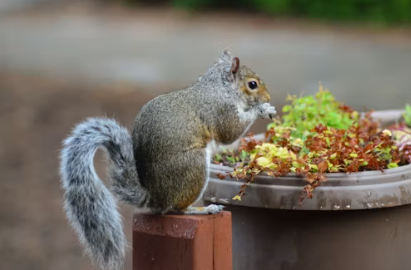
Squirrels don’t just steal ripe tomatoes off the vine — they’ll dig up freshly planted seeds and bulbs looking for buried nuts, sample vegetables and move on after one bite, and generally treat a vegetable garden like a buffet with no consequences. The good news is there are several effective, humane ways to make your garden far less appealing to them.
Step 1: Physical Barriers Are the Most Reliable Defense
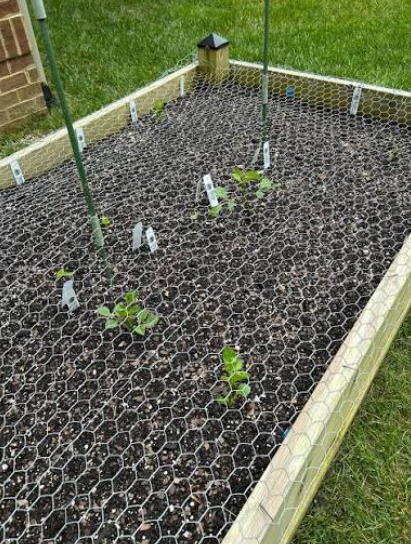
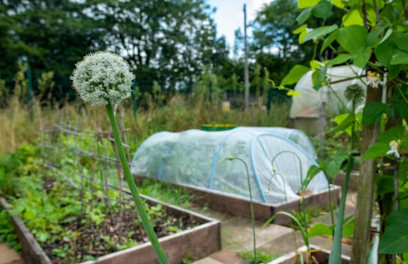
Netting or chicken wire draped over vulnerable plants, or a low fence with the bottom buried a few inches into the soil, blocks both digging and direct access. For raised beds, a simple hoop-and-netting cover is one of the most effective setups — squirrels can technically climb over most barriers, but the friction of doing so for a quick snack often isn’t worth it to them compared to easier food sources nearby.
Step 2: Cover Freshly Planted Seeds and Bulbs
Squirrels are especially drawn to the disturbed soil of a freshly planted bed, since it resembles the digging patterns of another squirrel burying food. A layer of chicken wire pinned flat over the soil surface (removed once seedlings are established enough) protects the most vulnerable early stage.
Step 3: Use Strong Scents They Dislike
Squirrels rely heavily on smell, and several scents reliably deter them without harming plants:
- Crushed garlic or garlic spray around the garden perimeter
- Cayenne pepper or a diluted hot pepper spray on non-fruiting plant parts
- Predator urine granules (available at most garden centers) placed around the bed’s edge
These need to be reapplied regularly, especially after rain, since their effectiveness fades as the scent dissipates.
Step 4: Give Them a Distraction Elsewhere
This sounds counterintuitive, but placing a separate feeding station (sunflower seeds, corn) well away from your vegetable garden can redirect squirrel attention elsewhere, especially during high-competition seasons like early spring. It doesn’t work for every squirrel population, but many gardeners find it meaningfully reduces garden raids.
Step 5: Remove Easy Water Sources Nearby
Squirrels raid gardens for water as much as food, especially during dry spells. If there’s a shallow dish or accessible water source near your garden, moving it further away removes one of the reasons they’re visiting that specific area in the first place.
Step 6: Harvest a Little Early When Possible
For fruiting vegetables like tomatoes, picking them slightly before full ripeness (and letting them finish ripening indoors) removes the exact window when squirrels are most likely to sample them. This isn’t ideal for every vegetable, but for frequent targets, it’s a reliable workaround.
What Generally Doesn’t Work Well
- Ultrasonic repellent devices: Mixed and often disappointing results in real garden conditions, especially outdoors where sound dissipates quickly
- One-time scent application: Needs consistent reapplication to stay effective — a single garlic spray won’t hold up for a full growing season
- Removing squirrels entirely: Trapping and relocating squirrels is illegal or heavily restricted in many areas, and new squirrels typically move into the vacated territory anyway
FAQ Section
Will squirrels eventually get used to scent deterrents and ignore them? Somewhat, especially with a fixed single scent used repeatedly. Rotating between two or three different deterrent scents throughout the season tends to stay more effective than relying on just one.
Are squirrels actually eating my vegetables, or just digging holes? Both, but for different reasons — digging is usually them either burying/retrieving nuts or searching for grubs, while direct plant damage (bite marks on fruit, missing seedlings) is feeding behavior.
Do squirrels avoid certain vegetables entirely? Generally yes — they tend to leave alone strongly aromatic plants like onions, garlic, and most herbs, while being especially drawn to tomatoes, strawberries, corn, and anything recently planted as seeds or bulbs.
Is it safe to use cayenne pepper around pets that also use the garden area? Cayenne pepper is generally considered safe in small amounts around most pets since it’s simply irritating rather than toxic, but keep an eye on curious pets and avoid applying it directly to anything they might lick or chew.