If you’re seeing fleas on your pet, there are almost certainly far more fleas — and flea eggs, larvae, and pupae — living in your carpet, furniture, and pet bedding than on the animal itself. Adult fleas on a pet represent only a small fraction of the total flea population in an infested home, which is why treating just the pet rarely solves the problem on its own.
Understand the Flea Life Cycle First
This matters because it explains why a single treatment never fully works:
- Eggs fall off pets and scatter throughout the home, especially in carpet and soft furnishings
- Larvae hide deep in carpet fibers, cracks, and dark areas, feeding on organic debris
- Pupae are protected in a cocoon and can lie dormant for weeks to months, resistant to most treatments
- Adults emerge from pupae when they sense a host nearby (vibration, warmth, CO2)
Because pupae can survive dormant for so long, a full treatment plan needs to be repeated over several weeks, not applied just once.
Step 1: Vacuum Thoroughly and Frequently
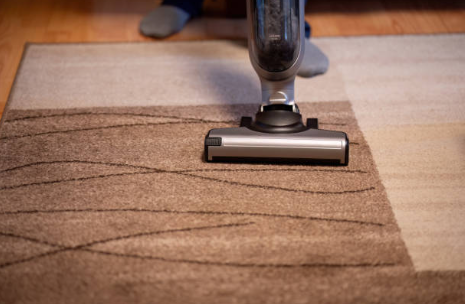
Vacuum every carpet, rug, and upholstered furniture surface daily during active treatment — this physically removes eggs, larvae, and some adults, and the vibration can even trigger dormant pupae to emerge early (into an environment where they’ll then be killed by your other treatments). Empty the vacuum bag or canister into a sealed outdoor bag immediately after each use, since fleas can survive and escape from inside.
Step 2: Wash All Pet Bedding and Soft Furnishings in Hot Water
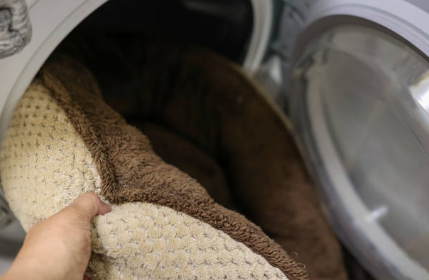
Hot water kills fleas at every life stage. Wash pet beds, blankets, and any washable furniture covers on the hottest setting the fabric allows, weekly during treatment.
Step 3: Apply Diatomaceous Earth to Carpets and Cracks
Food-grade diatomaceous earth is a natural powder that dehydrates fleas at the larval and adult stage on contact. Sprinkle a thin layer over carpets, along baseboards, and in cracks, let it sit for a few hours to a day, then vacuum thoroughly. Wear a mask while applying, since the fine powder can irritate lungs if inhaled in large amounts.
Step 4: Use a Natural Flea Spray for Furniture and Carpet
A mixture of diluted apple cider vinegar and water, or a cedarwood-oil-based spray (check pet-safety first, since some essential oils are toxic to cats specifically), can be lightly misted onto carpets and furniture between vacuuming sessions to help repel fleas during the treatment period.

⚠️ Important cat safety note: Many essential oils, including tea tree and citrus oils, are toxic to cats even in small, diluted amounts. If you have cats, stick to diatomaceous earth and hot water washing rather than essential-oil-based sprays, and consult your vet before using any new product around them.
Step 5: Treat Your Pet Alongside the Home
Treating the environment without treating the pet (or vice versa) means the infestation just cycles back. Speak with your vet about a natural or vet-recommended flea treatment appropriate for your specific pet’s age, weight, and species — this isn’t a step to skip, even in an otherwise natural treatment plan.
Step 6: Address Outdoor Areas Your Pet Frequents
If your pet spends time in a yard, fleas can be reintroduced from outside. Keeping grass trimmed short (fleas prefer shade and moisture) and treating shaded, humid areas where your pet rests outdoors reduces reinfestation risk.
How Long Does a Full Treatment Take?
Because of the dormant pupae stage, expect a full natural treatment cycle to take 4–6 weeks of consistent vacuuming, washing, and reapplication — not a one-time fix. Seeing fewer fleas within the first week is normal, but stopping treatment too early is the most common reason infestations come back.
Product Recommendation Section
(Recommended: a high-suction handheld vacuum for furniture and carpet edges)
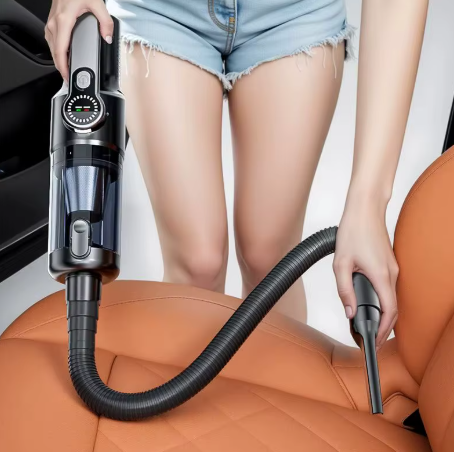
Recommended: A dedicated handheld vacuum makes it much easier to reach carpet edges, furniture crevices, and pet bedding thoroughly and frequently during the treatment period.
FAQ Section
Why do I still see fleas after vacuuming and washing everything? This is usually the dormant pupae stage — they can survive weeks to months and aren’t killed by vacuuming or washing alone. Consistent repeated treatment over several weeks is what eventually breaks the cycle, not a single deep clean.
Is diatomaceous earth safe around pets and kids? Food-grade diatomaceous earth is generally considered safe once settled, but avoid letting pets or kids inhale the fine powder during application, and vacuum thoroughly after the recommended sitting time.
Can I use essential oils around my dog even if I have cats too? If cats are in the home at all, it’s safest to avoid essential-oil-based flea treatments entirely, since even oils applied near a dog can transfer to shared furniture or flooring that a cat later contacts.
Do fleas only come from other pets? No — fleas can be brought inside on clothing, shoes, or by wild animals in your yard (like rodents), so even indoor-only pets can occasionally end up with a flea problem.