Article Body
A brownish or yellowish stain on the ceiling is more than a cosmetic issue — it’s a sign that water got into the ceiling material at some point, whether from a past roof leak, a plumbing issue, or condensation buildup. Cleaning or painting over the stain without addressing the source is a common mistake, since the stain will almost always come back if the underlying moisture issue isn’t resolved first.
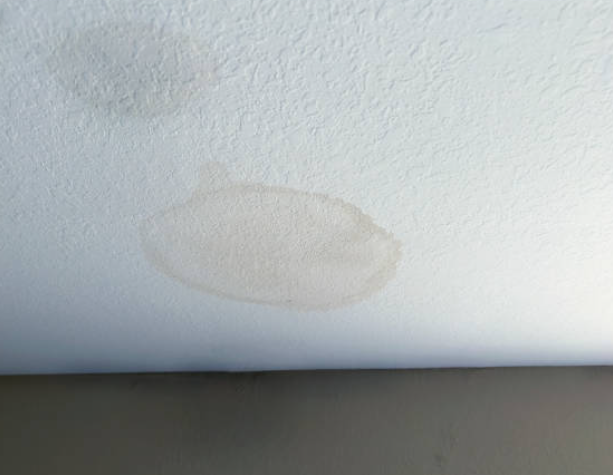
Step 1: Confirm the Leak Is Actually Resolved Before Cleaning
Before doing anything cosmetic, check whether the source of the moisture has been fixed. A stain from an old, already-repaired roof leak is safe to treat cosmetically. A stain that’s actively growing, feels soft or damp to the touch, or reappears after cleaning likely means there’s still an active leak that needs to be found and fixed first — cleaning over an active leak will only mask the problem temporarily.
Step 2: Test the Area for Dampness and Structural Soundness
Gently press on the stained area. If it feels soft, spongy, or the ceiling material sags at all, this indicates water damage beyond a surface stain, and the affected section may need to be repaired or replaced by a professional before any cosmetic fix.
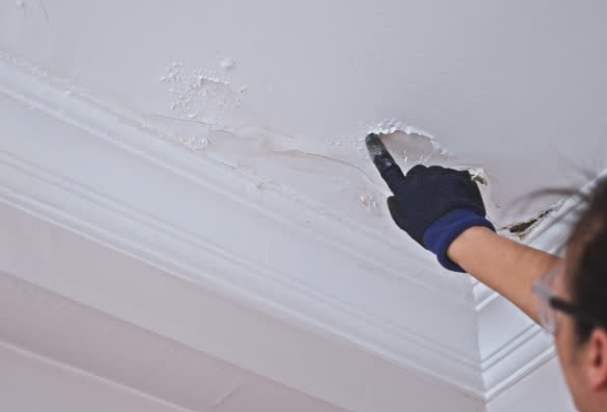
Step 3: Clean the Stain With a Diluted Bleach Solution (If Mold Is Present)
If the stain shows any dark spotting alongside the brown discoloration, this can indicate mold growth, which should be addressed before painting. A diluted bleach solution (roughly 1 part bleach to 3 parts water) applied with a sponge, followed by thorough drying, is a standard approach for surface mold on painted drywall. Ensure good ventilation and wear gloves during this step.
Step 4: Apply a Stain-Blocking Primer
Regular ceiling paint alone will not fully cover a water stain — the stain will bleed through even multiple coats of standard paint over time. A dedicated stain-blocking primer (oil-based or shellac-based primers work particularly well) seals the stain so it doesn’t show through the fresh paint.
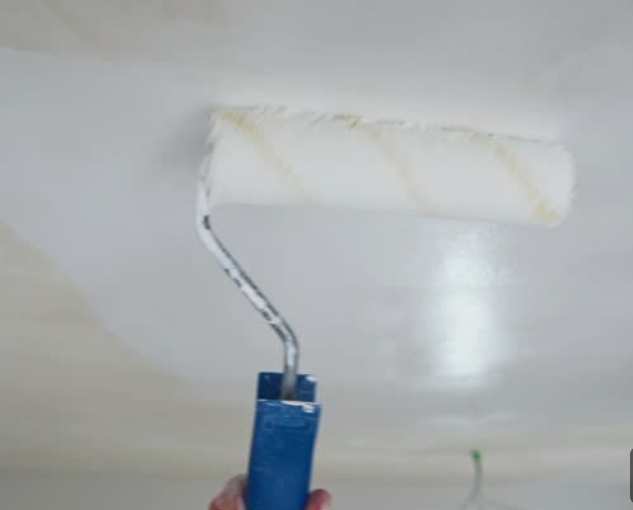
Step 5: Paint Over the Primed Area
Once the primer is fully dry, paint the area (or the full ceiling, for the most seamless match) with ceiling paint matched to the surrounding surface. Painting just the stained patch can sometimes leave a visible texture or sheen difference, so painting the full ceiling section is often worth the extra effort for a clean finish.
Step 6: Monitor for Recurrence
After cleaning and repainting, keep an eye on the area over the following weeks and through the next rainfall or humid period, especially if the original leak source wasn’t fully confirmed as fixed. A stain reappearing is the clearest sign that the underlying issue hasn’t actually been resolved.
What NOT to Do
- Don’t paint directly over a water stain without a stain-blocking primer — the discoloration will bleed through
- Don’t assume a stain is purely cosmetic without checking for softness or active dampness first
- Don’t ignore dark spotting within a stain, which can indicate mold rather than just water discoloration
- Don’t skip identifying and fixing the water source — cleaning is cosmetic, not a repair
Product Recommendation Section
(Recommended: a moisture meter for checking dampness)

Recommended: A simple moisture meter takes the guesswork out of determining whether a stain is old and dry or still actively damp, which changes whether you need a professional roof/plumbing inspection first.
FAQ
Can I just paint over a ceiling water stain without primer? Not effectively — water stains contain tannins and residue that bleed through standard paint over time, even multiple coats. A stain-blocking primer is necessary for a lasting fix.
How do I know if a ceiling stain is from an old, already-fixed leak or an active one? Check whether the stain has grown or changed recently, and press gently on the area to check for softness or dampness. An active leak typically shows recent growth or ongoing dampness, while an old, resolved leak stain stays the same size and feels dry and firm.
Is a ceiling water stain always a sign of a serious problem? Not always — it can be from a one-time event like an overflowing bathtub above or a past minor roof leak that’s already been repaired. However, any stain should be checked rather than assumed safe, since some causes (ongoing roof or plumbing leaks) can lead to more serious structural or mold issues if left unaddressed.
Should I call a professional instead of doing this myself? For the cosmetic cleaning and painting, this is a reasonable DIY project for most homeowners. If you find the ceiling material is soft, sagging, or you can’t confidently identify and confirm the leak source is resolved, it’s worth having a roofing or plumbing professional inspect the area before proceeding.
Story Recommendation
How to Get Rid of Fleas in the House Naturally
How to Manage Cat Litter Box Odor and Cleaning Without Constant Scooping