A lawn mower that starts struggling, stalling, or cutting unevenly after just a season or two isn’t usually a sign of a bad machine — it’s almost always a maintenance gap. Mowers are mechanically simple compared to most powered equipment, which means a small, consistent maintenance routine goes a long way toward keeping one running well for years instead of needing frequent repairs or early replacement.
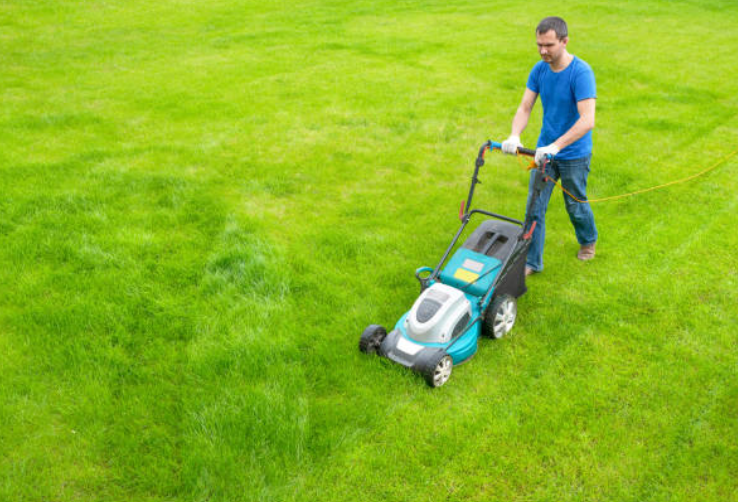
Why Mowers Wear Out Faster Than They Should
A few recurring habits shorten a mower’s working life:
- Running on old fuel left in the tank over winter, which degrades and gums up the engine
- A dirty or clogged air filter, which forces the engine to work harder and burns more fuel
- A dull blade, which tears grass instead of cutting it cleanly, stressing both the lawn and the motor
- Skipped oil changes, which is one of the most overlooked maintenance steps on gas mowers specifically
Step 1: Change the Oil at Least Once a Season (Gas Mowers)
Old, dirty oil doesn’t lubricate the engine properly, leading to increased friction and wear over time. Most manufacturers recommend an oil change after the first 5 hours of use on a new mower, then annually or every 25–50 hours of use after that.
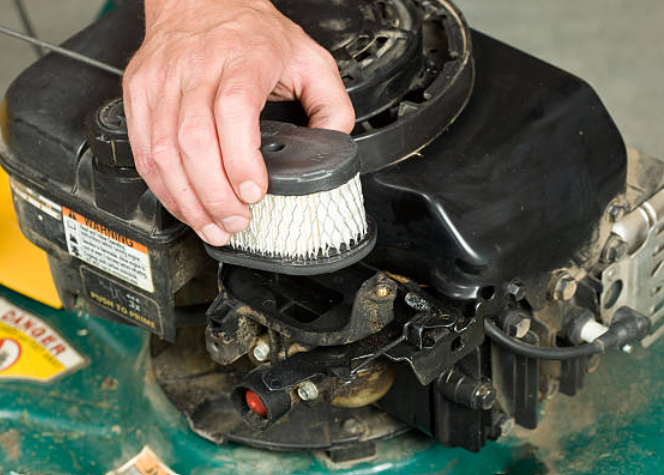
Step 2: Clean or Replace the Air Filter Regularly
A clogged air filter restricts airflow to the engine, reducing power and increasing fuel consumption. Check it every few mowing sessions during heavy use, and clean (foam filters) or replace (paper filters) as needed — this is one of the fastest, cheapest maintenance tasks with a noticeable performance impact.
Step 3: Sharpen or Replace the Blade Each Season
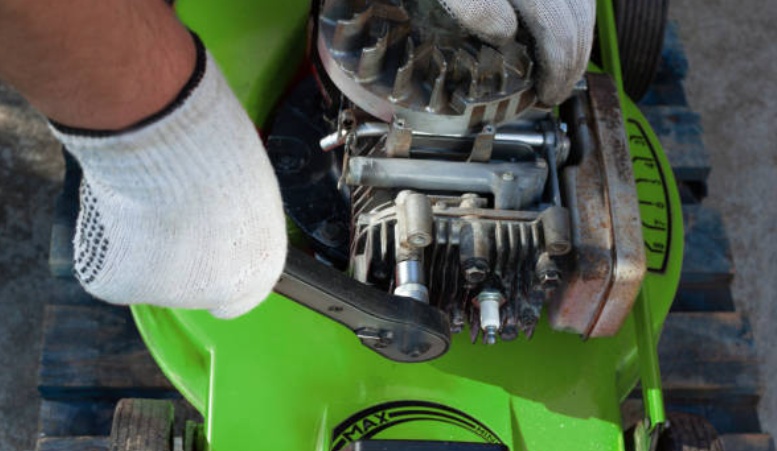
A dull blade tears grass rather than cutting it cleanly, which leaves grass tips brown and ragged and stresses the lawn’s health over time. Sharpening (or replacing, if heavily worn) the blade at the start of each mowing season keeps cuts clean and reduces strain on the motor.
Step 4: Never Store a Mower With Old Fuel in the Tank
Fuel left sitting for months — especially over winter — degrades and can gum up the carburetor, leading to hard starts or engine trouble the following season. Either run the tank dry before storage or use a fuel stabilizer if fuel needs to remain in the tank.
Step 5: Clean Grass Buildup From the Underside After Mowing
Wet grass clippings that build up under the deck can cause rust and interfere with proper cutting and mulching function over time. A quick clean after mowing (once the mower has cooled and is safely tipped or disconnected per the manual) prevents this buildup from becoming a bigger problem.
Step 6: Check and Maintain Tire Pressure (Wheeled Mowers)
Uneven tire pressure causes uneven cutting height across the lawn, and it’s a commonly overlooked factor when people assume a mower needs blade or deck adjustments instead.
What NOT to Do
- Don’t leave old fuel sitting in the tank over winter without a stabilizer
- Don’t mow with a visibly dull or damaged blade — it stresses both the lawn and the engine
- Don’t skip oil changes on gas mowers just because the mower still “runs fine”
- Don’t power-wash directly into the engine or air intake when cleaning — water can damage internal components
Product Recommendation Section
(Recommended: a mower blade sharpening tool)
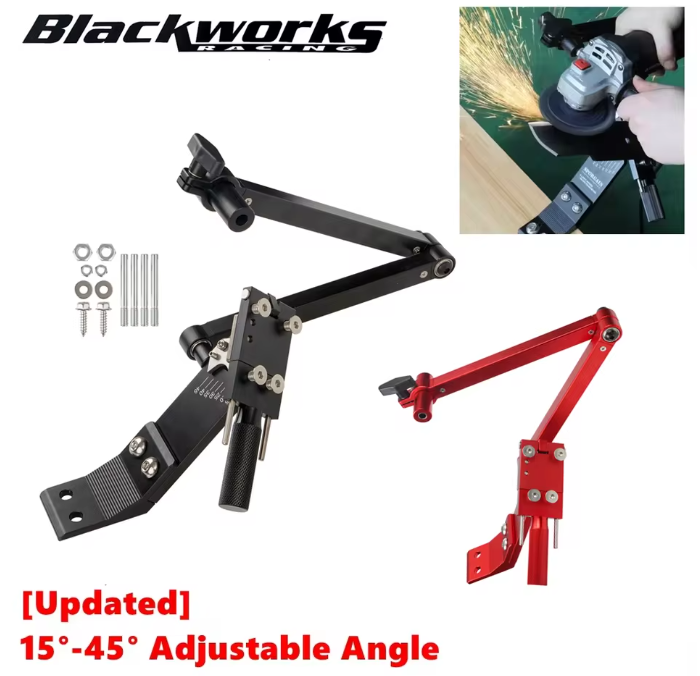
Recommended: A dedicated blade sharpening tool makes it easy to maintain a clean cutting edge each season without needing to remove and transport the blade to a shop each time.
FAQ Section
How often should I sharpen my mower blade? Generally once per season for average use, or more often if you mow a large lawn frequently or regularly hit debris like small rocks or sticks.
Is it bad to leave gas in the mower over winter? Yes, generally — untreated gasoline degrades over a few months and can gum up the carburetor. Either run the tank empty before winter storage or add a fuel stabilizer if fuel needs to remain in the tank.
My mower is hard to start — is that always a fuel issue? Old fuel is a common cause, but a dirty air filter, fouled spark plug, or dull/damaged blade creating extra resistance can also cause hard starting. Checking fuel freshness first is a reasonable starting point since it’s the easiest to rule out.
Do electric or battery mowers need the same maintenance as gas mowers? Less overall — no oil changes or fuel concerns — but blade sharpening, cleaning grass buildup from the deck, and general cleaning still apply the same way.