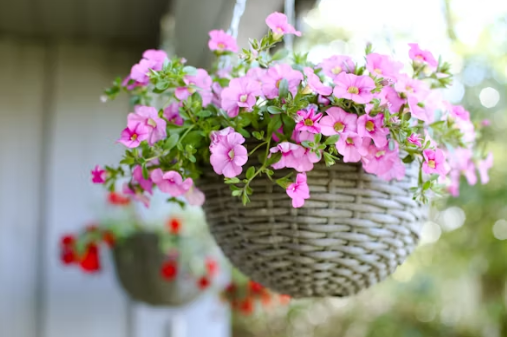
Your petunias put on a beautiful show in late spring, and now, a few weeks into summer, the blooms have thinned out and the plant looks a little tired. This is one of the most common questions petunia growers run into — and the fix is usually simpler than people expect. It’s not a lack of sun, water, or fertilizer causing the slowdown in most cases. It’s the plant redirecting its energy into producing seeds instead of new flowers, and deadheading is the habit that reverses it.
Why Petunias Slow Down Without Deadheading
Every flower a petunia produces has one biological goal: to eventually form a seed. Once a bloom fades, the plant naturally shifts its energy from producing more flowers to ripening that seed. If spent blooms are left in place, the plant essentially tells itself its job is done for the season, and flower production drops off — sometimes dramatically, by mid to late summer. Removing the spent bloom before it forms seed keeps sending the opposite signal: keep producing more flowers.
This is especially noticeable in container and hanging basket petunias, which have a limited amount of soil and nutrients to work with. Energy spent on seed production in a container plant is energy that isn’t available for new blooms.
There’s No Fixed Schedule — Watch the Blooms Instead
Unlike some garden tasks that follow a calendar, deadheading petunias is guided by the plant itself rather than a specific date. There’s no single “best week” to start; instead, the right time is simply as soon as blooms begin to fade. That said, most gardeners find a light, regular rhythm works best:
- Daily or every other day: ideal if you’re already watering containers daily during hot weather — check blooms while you water.
- Two to three times per week: a realistic minimum for most home gardeners to keep flowering steady.
- Once a week: the lowest frequency that still meaningfully helps, though blooms may look less tidy between sessions.
Spent blooms are easy to identify — they shrivel, lose their color, and go limp or turn brown. If you notice the foliage or stems wilting rather than just the flower, that’s usually a sign of water stress rather than a bloom ready for deadheading, so check soil moisture before assuming it needs a trim.
Step-by-Step: How to Deadhead Petunias Correctly
Step 1 — Identify the spent bloom. Look for flowers that have faded in color, gone limp, or started to shrivel and turn brown.
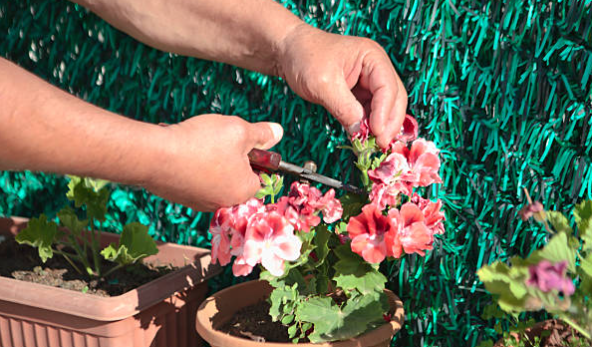
Step 2 — Remove the entire flower, not just the petals. This is the detail most people get wrong. Pulling off only the petals leaves the base of the flower — where the seed pod forms — still attached, so the plant continues directing energy toward seed production anyway.
Step 3 — Choose your method.
- Thumb and forefinger: Pinch the stem just below the base of the spent flower and remove it in one motion. This works well for quick, frequent checks.
- Scissors or pruning snips: Follow the thin flower stalk down to where it meets the main stem and snip there. This is often easier for beginners and ensures the full base is removed.
- Shears for a bulk trim: If deadheading has been neglected for a while, shears can remove many spent blooms at once, though this is less precise than individual deadheading.
Step 4 — Don’t compost the trimmings if seed pods have already formed. Most home compost piles don’t reach a high enough temperature to destroy petunia seeds, which can result in unwanted petunia seedlings sprouting from the compost later.
When to Cut Back Instead of Just Deadhead
By midsummer, petunias often become “leggy” — long, sparse stems with fewer blooms clustered near the tips. When this happens, deadheading alone won’t fully restore the plant’s shape. Instead:
- Cut back about one-third to one-half of each stem’s length, trimming to just above a side branch or bud.
- Do this for a few stems at a time over several weeks rather than the whole plant at once, to avoid a completely bare-looking container while it regrows.
- Expect one to two weeks before significant new blooms appear after a cutback.
- In regions with a long growing season, some gardeners repeat this cutback two to three times over the summer for the fullest, most continuous display.
What NOT to Do
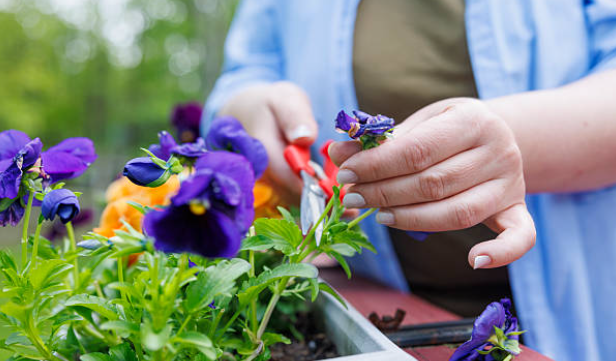
- Don’t remove only the petals. Always take the base of the flower with it, or the plant will still put energy into the leftover seed pod.
- Don’t wait until the whole plant looks overgrown. Small, frequent deadheading sessions are far less work overall than one large catch-up session.
- Don’t confuse wilting foliage with a spent bloom. Foliage wilting is more often a sign of thirst than a flower ready to be removed — check the soil first.
- Don’t toss spent blooms with visible seed pods into compost, unless your compost pile reliably reaches high temperatures.
- Don’t assume every petunia variety needs deadheading. Some newer self-cleaning varieties, such as Supertunias and Wave petunias, drop their own spent blooms naturally and require little to no deadheading — helpful for hard-to-reach hanging baskets.
A Simple Weekly Routine
If deadheading feels like one more thing to remember, try pairing it with a task you’re already doing: check your petunias for spent blooms every time you water. For most container gardens, that’s frequent enough during the heat of summer to keep the plant continuously producing new flowers all the way until the first frost.
Product Recommendation Section
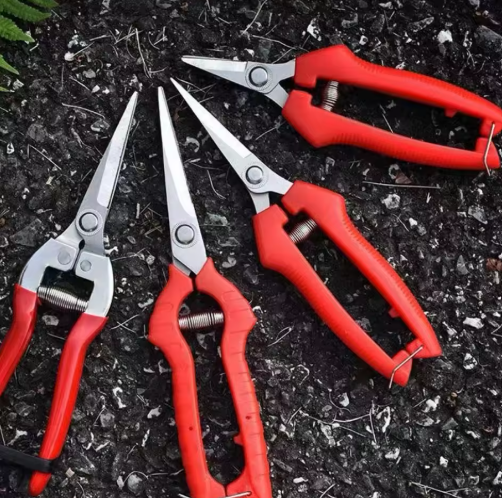
(Recommended: precision garden pruning snips/scissors)
FAQ Section
Q1. How often should I deadhead my petunias? Two to three times per week is a realistic and effective schedule for most home gardeners. Checking daily while watering works even better, and even once a week still provides meaningful benefit, though the plant may look less tidy between sessions.
Q2. Why are my petunias not blooming even though I water and fertilize them regularly? In most cases, the missing step is deadheading. Without removing spent blooms, the plant redirects energy into seed production instead of new flowers, even with adequate water and fertilizer.
Q3. Do all petunia varieties need to be deadheaded? No. Newer self-cleaning varieties, such as Supertunias and Wave petunias, naturally drop their spent blooms and need little to no deadheading, which makes them convenient for hanging baskets or hard-to-reach spots.
Q4. What’s the difference between deadheading and cutting back? Deadheading removes individual spent flowers to keep the plant blooming steadily. Cutting back trims a larger portion of leggy stems to restore a fuller shape, and is typically done once the plant looks sparse or overgrown, usually by midsummer.
Q5. Can I compost the flowers I remove while deadheading? It depends on your compost pile. If seed pods have already formed and your pile doesn’t reach a high enough temperature to kill seeds, you may end up with unwanted petunia seedlings sprouting later. When in doubt, dispose of trimmings separately from compost.