A bank may hand you a plastic card when you open an account, call it a debit card, and assume the rest is obvious.
Then a checkout terminal asks whether you want “debit” or “credit.” An ATM accepts one card but not another. A hotel places a hold larger than the final bill. A family member calls every card connected to a bank account a “bank card,” while the account agreement uses more precise terms.
The words sound interchangeable, but they do not always describe the same tool.
A debit card usually lets you spend money directly from a linked deposit account and withdraw cash at ATMs. An ATM card may be limited mainly to cash withdrawals and selected account transactions. “Bank card” is often an informal umbrella term rather than a precise product category.
Understanding the difference helps you know:
- which account the card reaches;
- where it can be used;
- whether a PIN is required;
- why a pending amount may differ from the final charge;
- what happens when the card is lost;
- and when another payment method may be more practical.
Scope note: This article explains card types, transaction routes, authorization holds, practical use, and loss reporting. It does not calculate how much cash to keep in checking or explain deposit-insurance limits; those are reserved for the next two articles in this cluster.
Quick Answer
A debit card is usually linked to a checking account and can commonly be used:
- at stores;
- online;
- in mobile wallets;
- at ATMs;
- and for recurring payments.
An ATM card is usually designed mainly for:
- withdrawing cash;
- checking balances;
- making deposits where supported;
- and completing selected transactions at an ATM.
It may not work for ordinary purchases.
A bank card is a general phrase people use for a card issued by a financial institution. Depending on context, it may mean a debit card, ATM card, credit card, or another account-access card. The label alone does not tell you how the card works.
The practical rule is:
Do not rely on the name printed in conversation. Check what account the card accesses, which network it uses, and what the cardholder agreement allows.
The Basic Differences
| Card type | Where the money comes from | Common uses |
|---|---|---|
| Debit card | Linked checking or other deposit account | Purchases, online payments, ATMs, cash back |
| ATM card | Linked deposit account | ATM withdrawals, deposits, balance inquiries |
| Credit card | Credit line issued by the lender | Purchases and cash advances that create a balance owed |
| Prepaid card | Money loaded onto the card or account | Purchases and withdrawals, subject to card terms |
| “Bank card” | Depends on the product | Informal label; verify the actual card type |
The CFPB explains that debit cards and prepaid cards generally spend money already available, while credit cards allow the cardholder to borrow.[1]
That difference matters because a debit-card purchase can reduce the funds available in your checking account before a transaction has fully settled.
What Is a Debit Card?
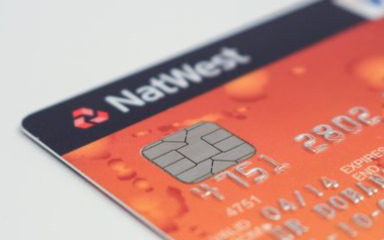
A debit card is a payment card linked to a deposit account, usually checking.
When you use it, the transaction generally draws from money already in that account.
A debit card may support:
- point-of-sale purchases;
- online and telephone purchases;
- contactless payments;
- mobile wallets;
- recurring subscriptions;
- ATM withdrawals;
- and cash back at participating merchants.
The card commonly displays a payment-network logo. That network allows participating merchants and ATMs to route the transaction to the issuing bank.
The CFPB notes that debit cards can be used to withdraw cash at ATMs and make purchases where the card’s network is accepted.[2]
The Card Is an Access Tool, Not a Separate Balance
The debit card usually does not hold its own independent pool of money.
It provides access to a linked account.
If your checking account contains $900 and you make a $100 debit-card purchase, your available funds may fall even while the transaction is still pending.
That is different from:
- a credit card, which draws against a credit line;
- or some prepaid cards, which draw against money loaded to the card program.
The exact timing of the account reduction depends on authorization, posting, holds, reversals, and the issuer’s systems.
What Is an ATM Card?
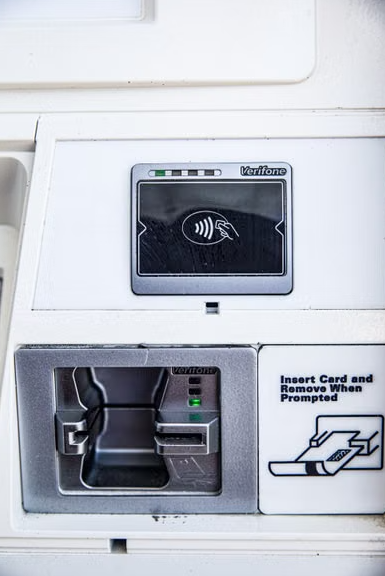
An ATM card is a card designed primarily to access a deposit account through automated teller machines.
It may let you:
- withdraw cash;
- check account balances;
- transfer money between eligible accounts;
- make deposits at supported ATMs;
- or change a PIN.
An ATM-only card may not have the payment-network functionality needed for store or online purchases.
That can be useful when a person wants cash access without connecting the account to routine merchant spending.
Why Would Someone Use an ATM-Only Card?
An ATM-only card may fit someone who:
- uses the account mainly for savings;
- wants to withdraw cash occasionally;
- does not want the card used for online purchases;
- or prefers a narrower access tool.
The trade-off is convenience.
If the card cannot be used at merchants, the account holder may need another payment method for everyday purchases.
The Label May Vary
Some institutions call a card an ATM card even when it also supports selected debit transactions. Others issue one debit card that performs both purchase and ATM functions.
The safest approach is to ask:
- Can this card make store purchases?
- Can it make online purchases?
- Can it withdraw from checking, savings, or both?
- Which ATM network applies?
- Is a PIN required?
- Are there daily limits?
The actual functions matter more than the product name.
What Does “Bank Card” Mean?
“Bank card” is often informal language.
A person may use it to mean:
- a debit card;
- an ATM card;
- a credit card issued by a bank;
- or any plastic card connected to a financial institution.
Because the phrase is broad, it should not be used to infer:
- where the money comes from;
- whether the transaction creates debt;
- whether the card works at merchants;
- or which consumer protections apply.
When a form, merchant, family member, or customer-service representative says “bank card,” clarify the actual product.
A precise description would be:
- debit card linked to checking;
- ATM-only card;
- bank-issued credit card;
- or prepaid card.
Why the Checkout Terminal Asks “Debit or Credit”
At some U.S. checkout terminals, a debit-card user may be asked to choose “debit” or “credit.”
This does not convert the debit card into a credit card.
The money still generally comes from the linked deposit account.
The selection usually changes how the transaction is routed.
Choosing “Debit”
A debit selection may:
- require a PIN;
- route through a debit network;
- allow cash back where offered;
- and post under the issuer’s debit-network process.
Choosing “Credit”
A credit selection may:
- route through the card network shown on the card;
- use a signature, contactless approval, or no additional verification;
- and still debit the linked bank account.
The key point is:
“Credit” at the terminal may describe the network route, not borrowed money.
The card remains a debit card unless it is actually a credit product.
Fees and processing details vary by account, merchant, and network. Check the account agreement rather than assuming one selection is always cheaper or safer.
Case Example: “Credit” Did Not Create a Credit-Card Balance
Maya uses a debit card at a grocery store. The terminal asks “debit or credit,” and she selects credit because she does not want to enter her PIN.
The purchase still appears in her checking account.
She does not receive a monthly credit-card bill because no credit line was used.
The word “credit” described how the transaction was processed, not the source of the money.
Pending Transactions and Posted Transactions
A debit-card transaction may appear first as pending and later as posted.
Pending
A pending transaction generally means the merchant requested authorization but the final transaction has not completed.
The pending amount may reduce available funds.
Posted
A posted transaction has completed through the bank’s processing system and appears as a finalized account entry.
The amount can change between authorization and posting.
That may happen when:
- a restaurant adds a tip;
- a hotel finalizes room and incidental charges;
- a fuel station replaces a temporary authorization;
- an online merchant ships only part of an order;
- or a merchant corrects an initial amount.
A pending transaction can also disappear temporarily and later post.
That does not necessarily mean the purchase was cancelled.
Authorization Holds
An authorization hold temporarily reserves part of the available account balance.
The merchant does this to confirm that enough money is available before the final amount is known.
Common examples include:
- hotels;
- rental-car companies;
- fuel stations;
- restaurants;
- and some delivery or service businesses.
Case Example: The Hotel Hold
Daniel books a room costing $420.
At check-in, the hotel authorizes $620 to cover the room plus possible incidentals.
Daniel does not spend the extra $200, and the final hotel charge is $420.
However, the additional authorization may remain pending for a period before being released.
During that time, the $200 may not be available for other checking-account transactions.
The merchant did not necessarily charge Daniel $620 permanently.
But the hold still affected his usable balance.
Why Holds Matter More With Debit Cards
A hold on a credit card generally reduces available credit.
A hold on a debit card may reduce available cash in the linked bank account.
That can affect:
- rent;
- automatic bills;
- other debit-card purchases;
- and ATM withdrawals.
For travel, hotels, rental cars, or uncertain final amounts, some consumers prefer another payment method when they have enough credit and can manage it responsibly.
The purpose is not to declare one card universally better.
It is to recognize where the temporary hold will occur.
Fuel-Station Holds
Pay-at-the-pump transactions may use a temporary authorization amount before the final fuel purchase is known.
Case Example: A Small Fuel Purchase, Larger Temporary Hold
Priya buys $35 of fuel using a debit card at the pump.
The station temporarily authorizes a larger amount. Her final posted charge is $35, but part of her checking balance remains unavailable until the extra authorization is released.
If Priya’s account balance is low, the hold could affect another scheduled payment.
One practical option is to pay inside, where the final purchase amount may be known before authorization. Policies vary by merchant.
Debit Cards for Recurring Payments
A debit card can be used for:
- streaming subscriptions;
- gym memberships;
- software;
- delivery services;
- insurance;
- and other recurring charges.
The merchant stores the card credentials and charges the account according to the authorization.
The CFPB explains that recurring payments may be authorized using checking-account or debit-card information.[3]
The Main Practical Risk
The charge reaches the same account used for household cash flow.
If:
- the amount increases;
- the card is replaced;
- the account balance is low;
- or cancellation is not processed correctly,
the payment may be declined or may reduce funds needed for other transactions.
Keep a list of recurring card payments.
When a card is replaced, do not assume every subscription will stop. Network account-updater services may provide replacement credentials to some participating merchants.
To cancel a recurring service, cancel with the merchant and keep confirmation rather than relying only on card replacement.
Debit Cards and Cash Back
Some merchants allow customers to request cash back during a debit purchase.
For example, a customer may buy $20 of groceries and request $40 cash back, creating a $60 account transaction.
This can be convenient when:
- a fee-free ATM is not nearby;
- the merchant does not charge for the service;
- and the account has enough available funds.
Possible limitations include:
- a maximum amount;
- a minimum purchase;
- a merchant fee;
- or a PIN requirement.
The CFPB reported in 2024 that some large retail chains charged fees for cash-back transactions on debit and prepaid cards.[4]
Check the terminal and receipt before confirming.
Daily Purchase and Withdrawal Limits
Banks may set daily limits for:
- ATM withdrawals;
- debit-card purchases;
- cash back;
- person-to-person payments;
- or other card-based activity.
Limits can reduce exposure and help the institution manage fraud risk.
They can also create inconvenience during:
- travel;
- emergency purchases;
- large household expenses;
- or cash-dependent transactions.
Before a large planned purchase, confirm:
- the purchase limit;
- the ATM withdrawal limit;
- whether the bank can raise it temporarily;
- how long a change takes;
- and whether the merchant accepts another payment method.
Do not assume the account balance equals the maximum amount the card can spend in one day.
ATM Access and Fees
A debit card commonly works at ATMs, but fee-free access depends on the institution and network.
An out-of-network withdrawal may involve:
- a fee from your bank;
- a surcharge from the ATM owner;
- or both.
Topic 4 covered how to compare those fees. For card use, the practical issue is identifying which machines accept the card and which are in network.
Before relying on an ATM:
- use the bank’s locator;
- verify the network logo;
- review the on-screen surcharge;
- confirm withdrawal limits;
- and avoid machines that appear damaged or altered.
An ATM card may have narrower network access than a general-purpose debit card, depending on the issuer.
Debit Card, Prepaid Card, or Credit Card?
These products may look similar but use different funding sources.
| Feature | Debit card | Prepaid card | Credit card |
| Main source of money | Linked bank account | Loaded funds | Credit line |
| Creates debt from purchase | No | No | Yes |
| May affect checking balance immediately | Yes | No, unless linked reload applies | No |
| May support ATM withdrawals | Often | Sometimes | Cash advance may be possible |
| Consumer protections | Depend on transaction and reporting | Depend on account and registration | Different federal credit-card rules |
A prepaid card is not automatically a checking-account debit card.
A credit card is not spending existing deposit funds.
A card can carry the same network logo while using a different underlying account structure.
Case Example: Same Logo, Different Money
Luis has:
- a debit card with a Visa logo;
- a prepaid card with a Visa logo;
- and a bank-issued Visa credit card.
The logos show that participating merchants can route transactions through the network.
They do not mean the cards draw from the same place.
- Debit reaches checking.
- Prepaid reaches loaded funds.
- Credit creates a balance with the lender.
The logo identifies network acceptance, not the funding source.
When a Debit Card Is a Good Fit
A debit card may be useful when you want:
- purchases to come directly from available funds;
- no revolving credit balance;
- simple ATM access;
- cash back at merchants;
- or one card for everyday checking-account activity.
It may fit routine spending when the account holder:
- monitors available funds;
- understands pending transactions;
- keeps card alerts active;
- and reports suspicious activity quickly.
When Another Payment Method May Be More Practical
Another payment method may be worth considering when:
- a merchant is likely to place a large hold;
- a disputed purchase would tie up essential checking funds;
- the purchase is unusually large;
- you are travelling and need payment redundancy;
- or the merchant requires a credit card.
This does not mean debit cards are unsafe or inferior.
It means the consequences of a hold, dispute, or temporary account restriction may be different because the money is connected directly to your deposit account.
Lost, Stolen, or Misused Cards
Report a missing debit or ATM card promptly.
Federal protections depend on the circumstances and how quickly the loss or unauthorized transfer is reported.
The FTC explains that potential liability for unauthorized ATM or debit-card transactions can increase when a cardholder delays reporting a lost or stolen card.[5]
When the physical card is not lost but an unauthorized transaction appears on a statement, reporting deadlines also matter. The CFPB advises notifying the bank or credit union promptly so it can investigate.[6]
Immediate Steps
- Lock the card in the app if the feature is available.
- Contact the issuing bank using the number in the app, on the official website, or on a statement.
- Report whether the card, PIN, or card number may be compromised.
- Review pending and posted activity.
- Change relevant credentials if instructed.
- Request a replacement card.
- Record the report date, case number, and representative’s name.
- Continue reviewing the account after replacement.
Do not rely only on a merchant to resolve an unauthorized bank-account transaction.
Notify the financial institution.
Case Example: The Card Was Still in Her Wallet
Avery sees two unfamiliar online purchases.
Her debit card is still in her wallet, so she initially assumes the bank cannot treat the activity as card fraud.
But unauthorized use can occur when card credentials are copied, exposed, or used remotely.
Avery locks the card, contacts the bank, identifies the transactions, and follows the bank’s dispute process.
The absence of a physically missing card does not make the transaction authorized.
Merchant Dispute or Unauthorized Transaction?
These are not always the same problem.
Merchant Dispute
You recognize the merchant or authorized the purchase, but there is a problem such as:
- wrong amount;
- duplicate charge;
- undelivered item;
- cancelled service;
- or incorrect refund.
Start with the merchant when appropriate, then follow the bank’s dispute process if the problem is not resolved.
Unauthorized Transaction
You did not make or permit the transaction.
Contact the bank promptly.
Keep records of:
- dates;
- amounts;
- merchant names;
- cancellation attempts;
- receipts;
- correspondence;
- and bank case numbers.
Practical Card Controls
Many institutions offer controls such as:
- instant transaction alerts;
- card lock and unlock;
- ATM withdrawal alerts;
- online-purchase controls;
- international-use settings;
- spending limits;
- and digital-wallet management.
These tools do not eliminate risk.
They can shorten the time between suspicious activity and your response.
A practical setup may include alerts for:
- every debit-card purchase;
- every ATM withdrawal;
- transactions above a chosen amount;
- online transactions;
- international transactions;
- and failed attempts.
PIN Safety and Card Handling
Basic practices still matter.
- Do not write the PIN on the card.
- Shield the keypad when entering the PIN.
- Avoid sharing the PIN.
- Use bank-owned or familiar ATMs when practical.
- Inspect an ATM or payment terminal for loose or unusual parts.
- Keep contact information current with the issuer.
- Review statements even when alerts are active.
- Use official apps and websites rather than links in unexpected messages.
The chip and contactless function help protect payment credentials in certain transactions, but no technology prevents every type of fraud.
A Compact Card-Choice Guide
| Your need | Most likely tool |
| Everyday purchases from checking | Debit card |
| ATM cash access without merchant purchases | ATM card |
| Spending loaded funds without a checking account | Prepaid card |
| Borrowing for purchases and repaying later | Credit card |
| Hotel or rental-car hold without reducing checking cash | Often a credit card, if accepted and managed responsibly |
| Cash withdrawal from checking | Debit or ATM card |
| Recurring charge from checking | Debit card or authorized bank debit |
| General phrase “bank card” | Clarify the actual product |
Common Mistakes
Assuming Every Bank-Issued Card Works the Same Way
A network logo does not identify the funding source.
Check whether the card is debit, ATM-only, prepaid, or credit.
Thinking “Credit” at Checkout Means Borrowing
With a debit card, the credit selection may route the transaction differently while still drawing from checking.
Treating Pending Money as Available
A hold can reduce usable funds before the final amount posts.
Using Debit for a Large Hold Without Planning
Hotels, rental cars, and fuel stations may temporarily reserve more than the final purchase.
Assuming Replacing the Card Cancels Every Subscription
Cancel recurring services directly with the merchant and keep confirmation.
Waiting to Report a Missing Card
Reporting timing can affect liability and recovery.
Watching Only the Physical Card
Card credentials can be used without the card leaving your possession.
Confusing a Payment Problem With an Unauthorized Transaction
A recognized merchant dispute and a truly unauthorized transaction may follow different resolution paths.
Decision Summary
| Question | What to verify |
| What account does the card reach? | Checking, savings, prepaid balance, or credit line |
| Can it make purchases? | Merchant, online, contactless, and recurring use |
| Can it use ATMs? | Supported networks, limits, deposits, and fees |
| Is a PIN required? | ATM use, debit routing, cash back, or issuer rules |
| Could a merchant place a hold? | Amount, release timing, and effect on available funds |
| What are the daily limits? | Purchases, withdrawals, and cash back |
| What happens if it is lost? | Locking, reporting, replacement, and dispute procedures |
| Is “bank card” precise enough? | Usually not; identify the actual product |
The EverydayWise Question
Before using a card, ask:
Where will this transaction draw money from, and what will happen to my available funds before the final amount posts?
That question clarifies most card confusion.
It helps distinguish:
- debit from credit;
- ATM access from merchant access;
- a pending authorization from a final charge;
- and a payment tool from the account behind it.
Final Thoughts
Debit cards, ATM cards, and “bank cards” may look similar, but their functions are not identical.
A debit card usually connects everyday purchases and ATM access to a checking account.
An ATM card may provide narrower account access, mainly through cash machines.
“Bank card” is usually an informal label that should be clarified before you assume how the card works.
The most important facts are:
- the account behind the card;
- the transaction types it supports;
- the network and PIN requirements;
- the effect of pending holds;
- the daily limits;
- and the process for reporting loss or unauthorized use.
A debit card can be a practical everyday tool when you understand that the transaction reaches real deposit funds.
An ATM-only card can be useful when narrower access is intentional.
Another payment method may be more suitable when a large hold, dispute, or travel disruption would make temporary loss of checking funds especially difficult.
The card itself is only the visible part of the system.
The account, authorization route, merchant process, and reporting rules determine what happens next.
FAQ
Is an ATM card the same as a debit card?
Not always. A debit card commonly supports purchases and ATM withdrawals. An ATM-only card may be limited mainly to withdrawals, deposits, transfers, and balance inquiries at supported machines.
What does “bank card” mean?
It is usually an informal term for a card issued by a financial institution. It may refer to a debit, ATM, credit, or other card, so the actual product should be identified.
Why does a terminal ask debit or credit when I am using a debit card?
The selection may change the transaction network and verification method. Choosing credit does not usually turn the purchase into borrowed money; the funds still come from the linked account.
Why is a pending debit-card amount different from the final charge?
Merchants may authorize an estimated amount before the final total is known. Tips, fuel, hotel incidentals, partial shipments, and corrections can change the posted amount.
Can a hotel hold more than the room price on a debit card?
Yes. A hotel may authorize additional money for incidentals. The extra amount may temporarily reduce available checking funds until the hold is released.
Does replacing a debit card cancel recurring payments?
Not necessarily. Some merchants may receive updated credentials through network services. Cancel the service directly with the merchant and retain confirmation.
Can I use a debit card without entering a PIN?
Often, yes. Depending on the merchant, network, and issuer, a debit transaction may use contactless approval, signature routing, or another verification method.
What should I do if my debit card is lost?
Lock it if possible and contact the issuing bank immediately. Review account activity, request a replacement, and document the report.
What if the card is still with me but I see an unauthorized transaction?
Contact the bank promptly. Card credentials can be misused without the physical card being stolen.
Is a debit card safer than carrying cash?
A debit card can be replaced and unauthorized transactions may have legal and contractual protections, but it also connects to a deposit account. Prompt reporting and account monitoring are important.
Sources
- CFPB – How Are Prepaid Cards, Debit Cards, and Credit Cards Different?
- CFPB – How Do Automatic Payments From a Bank Account Work?
- FTC – Lost or Stolen Credit, ATM, and Debit Cards
- CFPB – Unauthorized Transaction or Money Missing From a Bank Account
- CFPB – Electronic Fund Transfers FAQs
- FTC – Comparing Credit, Charge, Debit, and Prepaid Cards
More in This Cluster: Banking Basics
- Checking vs Savings Accounts: What Each Is For and Why You May Need Both
- Online Bank vs. Traditional Bank: Which Fits Your Needs?
- Joint vs Individual Bank Accounts: Which Should You Choose?
- How to Compare Bank Fees Before Switching Accounts
- Debit Cards, ATM Cards, and Bank Cards Explained (you are here)
- How Much Cash Should You Keep in Your Checking Account?
- What Deposit Insurance Does—and Does Not—Protect