A routine health visit can pass quickly. You may arrive with several concerns, spend part of the appointment confirming information, and remember an important question only after you leave. Good preparation cannot guarantee that every issue will be resolved in one visit, but it can help you use the available time for the decisions that matter most.
Preparation does not require a perfect medical history or a folder full of research. A useful plan is much smaller: confirm what kind of appointment you are booking, prepare a concise health snapshot, identify your priorities, and leave knowing what happens next.
This article uses “annual checkup” as familiar shorthand for a routine preventive health visit. The name, purpose, eligibility, and recommended timing vary by country and health system. It also does not mean that every healthy adult needs a head-to-toe physical, broad blood work, or the same visit every calendar year.
The practical goal: Arrive with a short, accurate picture of what has changed and leave with a clear, realistic next-step plan.

First, Confirm What “Annual Checkup” Means Where You Live
Before preparing for the appointment, make sure the visit you are planning actually fits your health system and your needs.
In the United States, a primary care practice may offer an annual preventive visit, a routine physical, or a Medicare Annual Wellness Visit. These names are not interchangeable. Medicare explains that its Annual Wellness Visit focuses on a personalized prevention plan and is not a routine physical examination.[9]
In Canada, healthy adults without symptoms or significant risk factors may not need a traditional annual physical. Choosing Wisely Canada advises against routine annual physical exams for asymptomatic adults without significant risk factors and recommends care based on individual needs rather than automatic testing every year.[1] A clinic may instead provide periodic preventive care, medication monitoring, or a focused appointment.
In England, the NHS Health Check is a defined cardiovascular-risk program offered every five years to eligible adults ages 40 to 74 who do not have certain pre-existing conditions. It is not a universal yearly physical for every adult.[2] Other NHS annual health checks exist for particular groups, including eligible people with severe mental illness or learning disabilities.
In Australia, planned health checks and screening are also shaped by age, history, and risk. Medicare-funded health assessments are available for certain eligible populations, such as people age 75 and older, Aboriginal and Torres Strait Islander people, and people with intellectual disability. A general GP consultation may be the appropriate route for other adults.
These examples do not tell you how often you personally should be seen. They show why the appointment label matters. When booking, ask:
- Is this a preventive visit, a physical examination, a chronic-condition review, or a standard consultation?
- How long is the appointment?
- Can new symptoms or several concerns be discussed?
- Is there a form or questionnaire to complete beforehand?
- Does the clinic need records or results from another provider?
- Are there fees, coverage limits, or eligibility rules I should know about?
If you have a new, persistent, or worsening symptom, say so when booking. Do not hide an active concern inside a routine-checkup request. The clinic may recommend an earlier, longer, or separate appointment. Urgent or severe symptoms should be handled through the appropriate urgent-care or emergency route in your country, not saved for a future preventive visit.
Decide What You Need From This Visit
A routine visit may involve several kinds of work: reviewing changes, managing existing conditions, checking medication safety, discussing prevention, addressing symptoms, or planning follow-up. Trying to cover all of them equally can make the appointment unfocused.
Write one sentence that completes this prompt:
“The most useful result of this visit would be…”
Your answer might be:
- understanding whether a recent change needs evaluation;
- reviewing whether current medicines are still working safely;
- identifying the preventive care that is relevant now;
- making a plan for a health concern you have postponed;
- reconnecting with primary care after several years; or
- coordinating recommendations from more than one provider.
This is not a demand that the clinician solve everything immediately. It is a way to identify the decision that deserves time.
Consider Elena, who books what she calls an annual physical after two years without primary care. She has mild knee pain, a prescription renewal, questions about sleep, and several screening reminders. If she treats all four as equally urgent, the visit may become a rapid list. Her main goal is to review worsening sleep and its effect on daily function. She tells the clinic this when booking, then brings the other items as secondary topics. The clinician can address what fits and schedule or route the rest appropriately.
Build a One-Page Health Snapshot
Your clinician may already have a chart, but charts do not always contain prescriptions from other providers, over-the-counter products, care received elsewhere, or changes that occurred since the last visit. Bring a concise snapshot even if you use the same clinic regularly.
Keep it to one page or one clearly organized note on your phone. Include:
Current medicines and products
List prescription medicines, non-prescription medicines, vitamins, herbal products, and supplements. For each, include the name, dose if known, how often you take it, and why you take it. Note anything you take differently from the label or prescription.
Do not stop a prescribed medicine merely because you expect blood tests or a physical examination. Ask the clinic whether any preparation is required. If a test is ordered later, follow the instructions for that specific test.
Allergies and important reactions
Record medicine allergies and the reaction you experienced, if known. “Penicillin—hives” is more useful than “allergic to antibiotics.” Also include serious reactions to contrast material, adhesives, latex, foods, or other substances when relevant to your care.
Diagnoses and care from elsewhere
List major ongoing conditions and any meaningful care since your last primary care visit: an emergency visit, hospital stay, surgery, specialist consultation, pregnancy-related care, new diagnosis, or major treatment change. You do not need to reproduce every report. Identify what happened, approximately when, and which organization or clinician provided the care.
Changes since the last visit
Briefly note new symptoms, meaningful changes in mood or function, medication side effects, falls, changes in sleep, unexplained weight change, or another development you want the clinician to know about. Include the approximate start date and whether the issue is improving, stable, or worsening.
Relevant home information
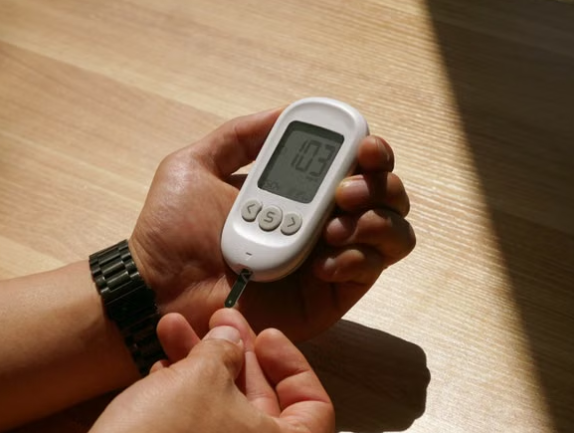
If you have been asked to monitor something at home, bring the readings in a form that shows dates and patterns. Examples include blood pressure, blood glucose, peak flow, symptom episodes, or medication use. Bring the device itself if the clinician has asked to compare or check it.
This snapshot is preparation for one visit, not a complete personal-record system. A later article in this cluster explains how to organize health records over time.
Turn Concerns Into Useful Notes
“I feel off” may be completely accurate, but it is hard to evaluate without context. Before the visit, describe each active concern using a few concrete details:
- What is happening?
- When did it begin?
- How often does it occur?
- Is it changing?
- What makes it better or worse?
- How does it affect sleep, work, movement, eating, concentration, care duties, or another part of daily life?
- What have you already tried?
MedlinePlus recommends writing down when symptoms started, where they occur, how long they last, and whether they have changed.[3] You do not need to diagnose yourself. The purpose is to preserve details that may be difficult to remember during the appointment.
Avoid building a long argument for one diagnosis based on online searching. If you have a specific fear, state it plainly: “I am worried this could be serious because…” That gives the clinician useful information about both the symptom and your concern.
For sensitive topics—such as mental health, sexual health, substance use, bladder or bowel changes, memory, safety at home, or difficulty taking medication—write one direct opening sentence in advance. You might say, “There is something difficult to discuss that I want to make sure we cover.” You may also ask to speak privately if someone accompanied you.
Choose Your Top Questions
Bring a short list, not a page of equally weighted questions. Select your top two or three and place the most important first.
Useful questions for a preventive visit include:
- What should we focus on today based on my current health and risks?
- Has anything in my health snapshot changed the plan?
- What can reasonably be handled today, and what needs another appointment?
- Are any current medicines, supplements, or combinations worth reviewing?
- What warning signs should make me seek help sooner?
- What is the next step, who will arrange it, and when should it happen?
If a specific test is proposed, you can ask what decision the result would inform and what the likely next steps are. Detailed preparation for evaluating an individual medical test belongs to EW-H-0004, so you do not need to master that entire decision before this checkup.
The U.S. Agency for Healthcare Research and Quality and Australia’s Healthdirect both encourage patients to prepare and prioritize questions before appointments.[4][5] Prioritizing is not rude. It helps the clinician understand what matters to you while there is still time to respond.
Check Whether Your Prevention Information Is Current
The clinician may use age, medical history, medicines, pregnancy status, family history, prior results, occupation, travel, and other risk factors to decide what preventive care is relevant. Give accurate information, but do not arrive expecting a universal package of tests.
Before the visit, check whether you can answer these basic questions:
- When was your last primary care or preventive visit?
- Have you received screening invitations, reminders, or previous abnormal results?
- Have any close biological relatives developed a major condition or received a diagnosis at an unusually young age?
- Have you received vaccines outside your usual clinic, pharmacy, workplace, school, travel clinic, or another country?
- Has your smoking, alcohol, substance use, sexual health, pregnancy planning, work exposure, caregiving role, or living situation changed in a way relevant to care?
You do not need to decide which screenings or vaccines you “should” receive. Those recommendations differ by country and personal risk, and they change over time. EW-H-0002 covers how screening considerations change with age, EW-H-0005 covers vaccination tracking, and EW-H-0006 explains how family history may change screening decisions.
If you have a government screening letter, immunization record, or previous abnormal-result notice, bring it or make it available. The goal is to prevent missing information from driving the conversation.
Prepare the Practical Details
Small logistical problems can consume the attention you hoped to use for health decisions. One or two days before the visit, confirm:
- date, time, location, and whether the visit is in person, by phone, or by video;
- check-in time and identification, health card, insurance card, referral, or payment requirements;
- forms that must be completed;
- accessibility needs, including mobility, hearing, vision, sensory, communication, or cognitive support;
- interpreter arrangements;
- whether you want a trusted support person present;
- childcare, transportation, parking, and enough time after the appointment;
- how to send outside records securely; and
- whether the clinic gave any specific instructions.
Ask the clinic to arrange a qualified interpreter when language could affect understanding. A family member may be supportive, but using them as the sole interpreter can create problems with accuracy, privacy, and sensitive discussions. Availability and entitlement vary by health system, so request language support when booking.
For an in-person examination, wear clothing that is practical for the visit and bring glasses, hearing aids, mobility devices, or other aids you normally use. If a home monitoring device or medication container is part of the discussion, bring it only if useful and safe to transport.
For telehealth, test the link, audio, camera, and internet connection in advance. Choose a private, well-lit place and keep your medicines and notes nearby. Ask whether an in-person visit may still be needed for measurements or examination.
Do not fast “just in case.” Routine preventive visits do not automatically require fasting blood work. Choosing Wisely Canada advises against annual screening blood tests unless they are indicated by the patient’s risk profile.[6] If the clinic or laboratory orders a test, follow the exact instructions they provide.
Use the Appointment as a Conversation, Not a Performance
You do not need to present your health perfectly. Begin with the main purpose and hand over—or read from—your short snapshot.
A clear opening can be:
“My main goal today is to discuss the change in my sleep. I also need a medication review and want to know what preventive care is currently relevant. I brought a one-page list.”
During the visit:
Say what is actually happening
If you miss doses, use a medicine differently, cannot afford a recommendation, have difficulty following a plan, or are worried about a side effect, say so. Accurate care depends on an accurate picture, not on giving the answer you think is expected.
Ask for plain language
When an explanation is unclear, ask the clinician to repeat it, use a different example, write it down, or explain the most important point first. Healthdirect specifically recommends asking for information to be repeated or expressed differently when you do not understand it.[5]
Confirm consent and comfort
If a physical examination is proposed, you can ask why it is needed and what it will involve. You can request privacy, a chaperone where available, or a pause. Tell the clinician about pain, trauma concerns, disability-related needs, or another factor that affects how an examination can be performed.
Accept that one visit has limits
Several important concerns may require more than one appointment. That is not necessarily a failed visit. Ask the clinician to help distinguish what needs attention now, what can wait, and what belongs with another provider or service.

Leave With a Closed Loop
Before the appointment ends, summarize the plan in your own words:
“My understanding is that I will continue the current medicine, book the follow-up, and contact the clinic sooner if the symptoms worsen. The clinic will send the referral. Is that correct?”
This “teach-back” style is not a test of your memory. It gives the clinician a chance to correct a misunderstanding.
For each next step, clarify:
- What is being done?
- Why is it being done?
- Who is responsible for arranging it?
- When should it happen?
- How and when will results be communicated?
- What should you do if you hear nothing?
- Which symptoms or changes should prompt earlier care?
If a prescription changes, confirm which medicine is starting, stopping, or changing and when. If a referral is planned, ask whether you or the clinic must initiate it. If a test is ordered, ask where it will occur and how you will receive the result. Do not assume “no news is good news”; learn the clinic’s actual result process.
Write the plan down before leaving or enter it into your phone. A support person can help take notes with your permission, but you should still hear the plan in a form you understand.
Follow Up Without Creating a New System
Soon after the visit, spend five minutes turning the plan into action:
- Book the appointment, test, or follow-up you are responsible for.
- Add a reminder for any expected result or referral response.
- Update your medicine list if something changed.
- Store the visit summary or instructions where you can find them.
- Contact the clinic if you discover that your understanding conflicts with the written plan.
Do not expand this into a complete reorganization project. The immediate goal is to prevent today’s plan from disappearing into daily life. EW-H-0003 provides a fuller method for organizing personal health records, while EW-H-0007 will bring preventive tasks together in a longer-term calendar.
If you could not discuss an important concern, book the appropriate follow-up instead of waiting automatically until next year. A routine visit is a checkpoint, not a container for every health need that arises between visits.
A Simple Preparation Timeline
You can prepare well without spending hours.
When booking
Name the reason for the visit, confirm the appointment type and length, disclose active concerns, and request accessibility or language support.
About one week before
Gather your medicine list, recent changes, outside-care information, relevant readings, and any forms or notices. Ask early if records must be transferred.
One or two days before
Write your one-sentence goal, choose your top questions, confirm logistics, and reduce your notes to one page.
At the appointment
State the main goal first, share accurate information, ask for plain language, and confirm what can be completed today.
Before leaving
Repeat the plan in your own words and identify the owner, timing, result process, and warning signs for every next step.
Afterward
Complete the actions assigned to you and set one reminder for anything you expect from the clinic or another service.
Decision Summary
A well-prepared checkup begins by confirming what kind of preventive visit is appropriate in your country and situation. It does not begin with demanding a standard package of annual tests.
Bring a one-page snapshot of medicines, allergies, important care, recent changes, and relevant home readings. Choose one main outcome and two or three priority questions. Tell the clinic about active symptoms when booking, prepare practical support in advance, and use the appointment to communicate honestly rather than to present a perfect record.
The visit is complete only when you understand the next steps: what will happen, who will arrange it, when to expect it, how results will arrive, and when to seek help sooner. That small closed loop is often more valuable than trying to cover every possible preventive topic in one sitting.
FAQ
Do healthy adults need a physical every year?
Not necessarily. Recommendations and covered services vary by country, age, health history, and risk. Canada advises against automatic annual physicals for asymptomatic adults without significant risk factors, while other systems offer defined preventive visits or checks to eligible groups. Ask your local primary care service what type and timing of visit fits you.
Should I ask for “complete blood work” at my checkup?
Not as an automatic package. Testing should be connected to symptoms, medical history, medicines, risk factors, or an evidence-based preventive recommendation. Ask what decision a proposed test would inform rather than assuming more tests always provide better prevention.
Should I fast before an annual checkup?
Do not fast unless the clinic or laboratory gives you instructions for a specific test. Fasting unnecessarily can be uncomfortable and may be unsafe for some people, including those taking certain medicines or managing diabetes.
How many concerns can I bring?
Bring the full short list, but identify the top two or three and state the most important first. Ask what can be addressed safely in the available time and arrange follow-up for the rest.
What if I do not know the doses of my medicines?
Bring the labeled containers, a pharmacy printout, or clear photographs of the labels if appropriate. Include non-prescription medicines, vitamins, and supplements. Do not guess when the accurate information can be checked.
Can someone come to the appointment with me?
Often yes, subject to clinic rules and your consent. A trusted person can help with notes, communication, mobility, or emotional support. You may still ask for private time with the clinician.
What if I have not had a checkup in several years?
Tell the clinic when booking and mention any active concerns. Prepare a concise snapshot rather than trying to reconstruct every detail at once. The clinician can prioritize current needs and decide whether more than one visit is appropriate.
References
- Health Check-Ups: When You Need Them—and When You Don’t — Choosing Wisely Canada.
- NHS Health Check — National Health Service, England.
- Make the Most of Your Doctor Visit — MedlinePlus, U.S. National Library of Medicine; reviewed September 15, 2024.
- Questions Are the Answer — U.S. Agency for Healthcare Research and Quality.
- Questions to Ask Your Doctor — Healthdirect Australia; reviewed 2025.
- Annual Screening Blood Tests — Choosing Wisely Canada.
- Talking With Your Doctor — MedlinePlus, U.S. National Library of Medicine; reviewed October 5, 2024.
- Medicare Benefits Schedule: Older Person’s Health Assessment — Australian Government Department of Health, Disability and Ageing.
- Yearly “Wellness” Visits — Medicare.gov, U.S. Centers for Medicare & Medicaid Services.
Medical disclaimer: This article provides general educational information and is not a substitute for personalized medical advice, diagnosis, or treatment. Health recommendations and available services may vary by country and individual circumstances. Consult a qualified healthcare professional or the appropriate health authority in your country before making decisions about your health. If you have severe, rapidly worsening, or potentially life-threatening symptoms, contact your local emergency service immediately.