WD-40 is the go-to answer most people reach for when a door hinge starts squeaking, but it’s actually not designed as a long-term lubricant — it’s a water-displacer first, and a very light, short-lasting lubricant second. Within a week or two, the squeak often comes back, and WD-40 attracts dust that can gum up the hinge over time. Here’s a fix that lasts much longer, using things you likely already have.
Why the Door Hinge Squeaks in the First Place
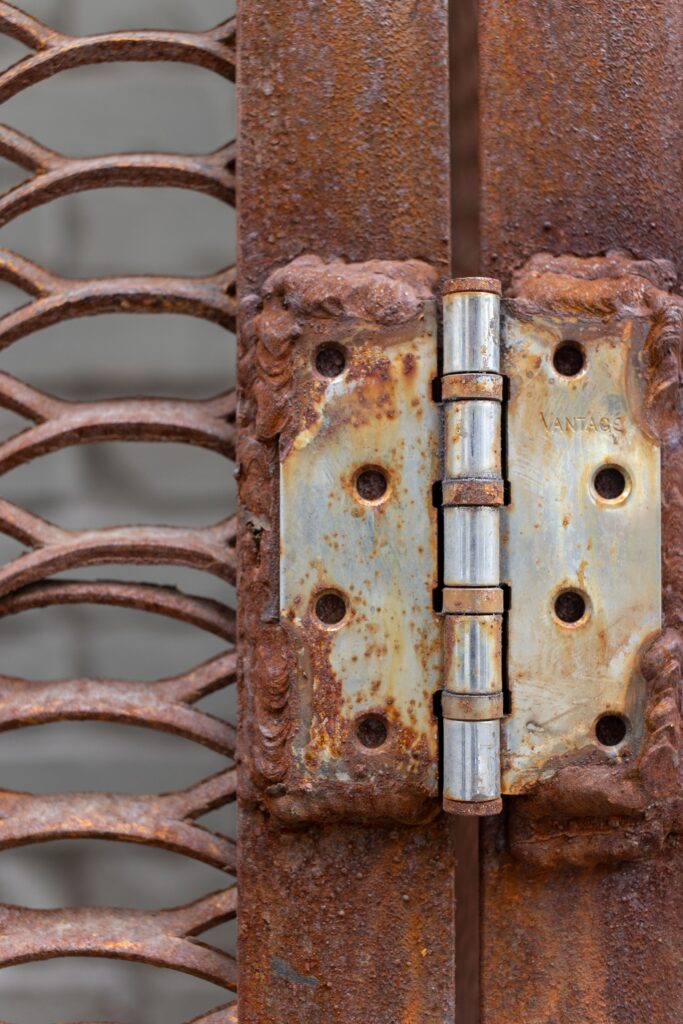
The squeak happens because metal is rubbing directly against metal inside the hinge barrel — the small cylindrical part the pin slides through. Over time, the original factory lubrication wears away, humidity causes light surface rust, or dust builds up inside the barrel. The fix is simple: get a proper lubricant into that barrel and keep it there.
What You’ll Need
- A flathead screwdriver or hammer and nail (to remove the hinge pin)
- A clean cloth
- Fine steel wool or a small wire brush (for rust, if present)
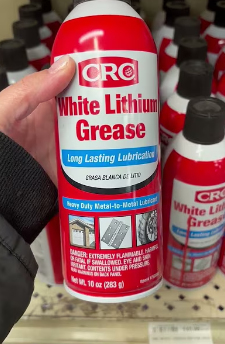
- One of these long-lasting lubricants: petroleum jelly, white lithium grease, powdered graphite, or a bar of soap (in a pinch)
Step-by-Step Method
1. Open the door fully and locate the hinge pin. Most interior doors have 2–3 hinges, each with a removable pin running through the center.
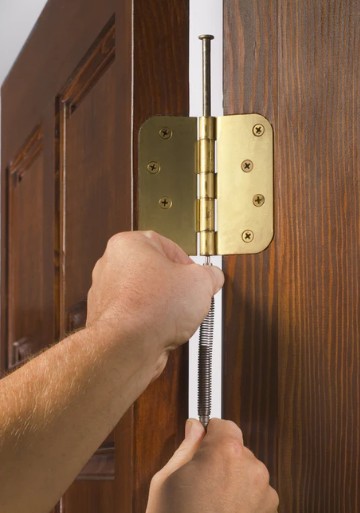
2. Remove the pin. Place the flathead screwdriver under the head of the pin and tap gently upward with a hammer, or use pliers to wiggle it out. It usually slides out with light, steady pressure — no need to force it.
3. Wipe the pin clean. Use a clean cloth to remove old grease, dust, and grime built up on the pin’s surface.
4. Remove rust, if present. If you see light rust on the pin, gently rub it off with fine steel wool until the metal looks clean again.
5. Apply your lubricant. Coat the pin evenly with a thin layer of petroleum jelly or white lithium grease. If using powdered graphite, apply it directly into the hinge barrel instead of on the pin. If you’re using a bar of soap as an emergency fix, rub the pin directly across the soap until lightly coated.
6. Reinsert the pin. Slide it back into the hinge barrel and tap it gently back into place with the hammer until it’s flush.
7. Test the door. Open and close it several times. This working motion helps spread the lubricant evenly through the entire hinge barrel, not just the parts you could reach.
8. Wipe off any excess. A clean cloth around the hinge removes any lubricant that squeezed out, preventing drips or dust buildup later.
Why This Lasts Longer Than WD-40
Petroleum jelly and white lithium grease are thicker and more viscous, so they stay in place inside the hinge barrel instead of evaporating or dripping out the way a thin spray lubricant does. Powdered graphite goes a step further — it’s a dry lubricant that doesn’t attract dust at all, making it ideal for hinges in dusty environments.
If the Squeak Comes Back Quickly
This usually means the hinge itself is worn or slightly bent, or the door is sagging and putting uneven pressure on the hinge. In that case, lubrication helps temporarily, but the hinge may eventually need tightening (check the screws) or replacing.
FAQ
Is WD-40 actually bad for door hinges? Not “bad,” but not ideal for long-term use. It works as a quick, temporary fix, but its thin formula evaporates faster than dedicated lubricants like white lithium grease, so the squeak tends to return sooner.
Can I use cooking oil as a lubricant instead? It will quiet the squeak temporarily, but cooking oil can go rancid over time and attracts more dust than petroleum-based lubricants. It’s fine as a very short-term fix, not a lasting one.
My door hinge pin won’t come out. What now? Some pins are tighter than others, especially on newer doors. Try tapping more firmly and evenly from underneath, or use pliers to grip and gently rock the pin while pulling upward.
How often should I re-lubricate hinges? With a proper lubricant like white lithium grease, once every 1–2 years is usually enough for normal household use.