You just got back from the picnic table, and the potato salad has been sitting in the sun for… how long, exactly? Two hours? Three? You can’t quite remember, and now you’re staring at the bowl trying to decide whether it’s worth the risk. This moment happens to almost everyone every summer — at BBQs, tailgates, camping trips, and backyard parties — and the answer isn’t about how the food looks or smells. It’s about time and temperature, and there’s a simple rule that settles the question every time.
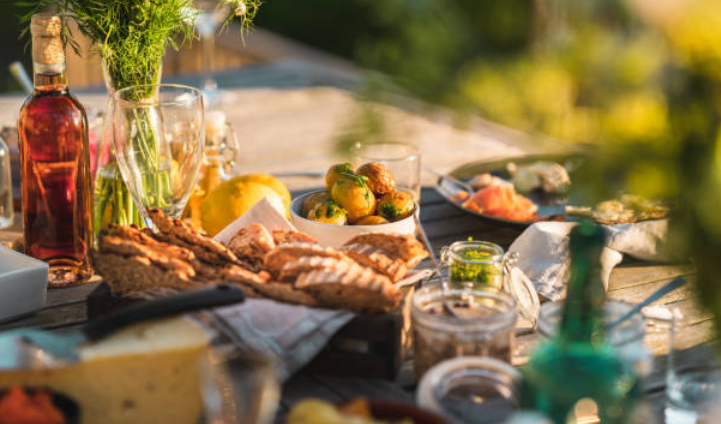
Why Heat Turns “Maybe Fine” Into “Actually Risky”
Bacteria don’t need much to multiply — just warmth and time. Food safety agencies define a temperature range known as the Danger Zone: between 40°F and 140°F (about 4°C to 60°C). Inside this range, bacteria like Salmonella, E. coli, and Staphylococcus aureus can double in number in as little as 20 minutes. The longer perishable food sits in this zone, the higher the risk of foodborne illness — regardless of whether the food still looks and smells normal.
This is the part most people don’t realize: spoiled-looking food and unsafe food are not the same thing. Many foodborne bacteria don’t change the taste, smell, or appearance of food at all. Relying on a sniff test can leave you eating something that looks perfectly fine but is no longer safe.
The Core Rule: 2 Hours, or 1 Hour Above 90°F
This is the single number worth remembering:
- Room temperature (below 90°F / 32°C): Perishable food should not sit out for more than 2 hours.
- Hot weather (90°F / 32°C or above): That window shrinks to just 1 hour.
Once that time limit passes, the food should be refrigerated, kept properly hot, or thrown away — not tasted, not “checked,” just discarded. Reheating does not fix the problem. Reheating can kill some bacteria, but certain bacteria produce toxins while multiplying, and those toxins are heat-stable — meaning they survive cooking or reheating even after the bacteria themselves are destroyed.
| Outdoor Temperature | Maximum Time Food Can Sit Out |
|---|---|
| Below 90°F (32°C) | 2 hours |
| 90°F (32°C) or above | 1 hour |
| Above 140°F surface temp (car interior, direct sun on dark table) | Treat as high-risk immediately; check sooner |
Which Foods Are Actually at Risk?
Not every item on the picnic table carries the same risk. Understanding the difference helps you prioritize what to watch closely and what you don’t need to worry about as much.
High-risk foods — follow the 2-hour/1-hour rule strictly:
- Meat, poultry, and seafood (cooked or raw)
- Eggs and egg-based dishes (deviled eggs, quiches)
- Dairy products (milk, soft cheese, cream-based dishes)
- Mayonnaise-based salads (potato salad, pasta salad, coleslaw, chicken salad)
- Cut fruit and cut vegetables
- Cooked rice, pasta, and grains
- Casseroles and other mixed cooked dishes
Lower-risk foods — generally safe to leave out longer, but not indefinitely:
- Whole, unwashed fruit with intact skin (apples, bananas, oranges)
- Bread, crackers, chips, and pretzels
- Cookies and other low-moisture baked goods
- Hard cheeses, in cooler weather and for shorter periods
- Sealed, shelf-stable snacks
These lower-risk foods are exceptions to the strict 2-hour rule because they don’t provide the moisture and nutrients bacteria need to multiply quickly. That said, “lower risk” doesn’t mean “no risk” — in extreme heat or after many hours outdoors, quality and safety can still decline.
Step-by-Step: How to Decide Keep or Toss
Step 1 — Check the total time the food has actually been out of refrigeration or off the heat source. Not just since you noticed it — since it was first taken out of the cooler or the fridge. If you’re unsure, it’s safer to assume the longer estimate.
Step 2 — Check the temperature range for the day or location. If the outdoor temperature has been at or above 90°F (32°C) at any point while the food sat out, use the 1-hour limit, not the 2-hour one. A car trunk, a sunny picnic table, or a hot patio can easily exceed 90°F even when the general weather forecast doesn’t.
Step 3 — Apply the rule without exceptions for appearance. If the total time exceeds the applicable limit, the food should be discarded — even if it still looks, smells, and tastes normal.
Step 4 — When in doubt, don’t taste it to check. Tasting a small amount does not tell you whether a food is contaminated, and it exposes you to the same risk you’re trying to avoid.
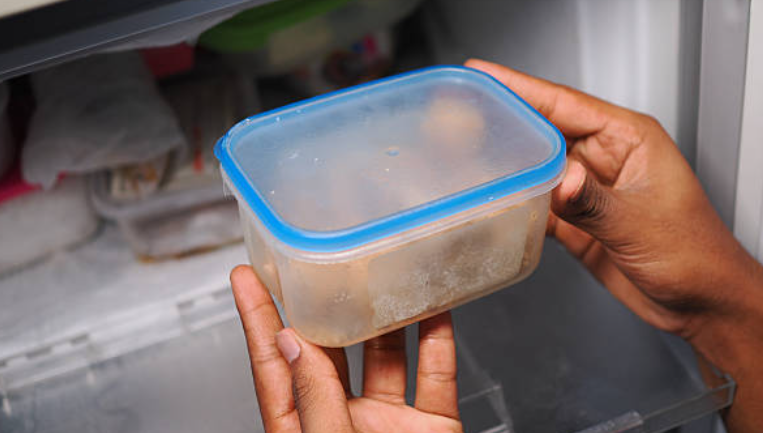
Keeping Food Safe Outdoors in the First Place
Prevention is far easier than the keep-or-toss decision. A few habits make a significant difference:
- Use a cooler with ice or frozen gel packs for anything cold — meat, dairy, cut produce, mayo-based dishes. Pack the cooler so food stays at 40°F (4°C) or below.
- Keep the cooler in the shade and limit how often it’s opened, so the internal temperature stays low.
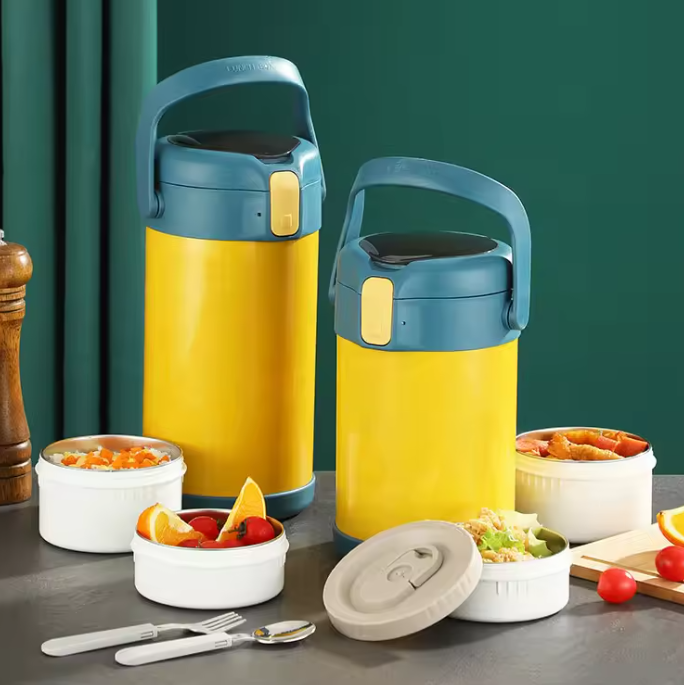
- Keep hot food hot — at or above 140°F (60°C) — using a slow cooker, chafing dish, or insulated food carrier if you’re serving something warm outdoors.
- Pack smaller portions and refill serving dishes from the cooler rather than leaving one large bowl sitting out the entire event.
- Separate raw and ready-to-eat foods to avoid cross-contamination while everything is packed together.
What NOT to Do
- Don’t rely on smell or taste as your safety check — many harmful bacteria don’t change how food smells or tastes.
- Don’t assume reheating “resets the clock” — heat-stable toxins can survive cooking.
- Don’t leave the cooler open in direct sun for convenience; it warms up faster than most people expect.
- Don’t estimate time loosely — if you’re not sure whether it’s been “about two hours” or “definitely under two hours,” treat it as the longer, riskier estimate.
- Don’t assume indoor rules apply outdoors — a shaded patio can still exceed 90°F on a summer afternoon even if the air feels comfortable.
Quick Reference Summary
If you remember nothing else from this guide, remember this: 2 hours in normal heat, 1 hour above 90°F (32°C), no exceptions for appearance. When the time limit passes, it’s time to let it go — the cost of a discarded dish is always smaller than the cost of foodborne illness.
Product Recommendation Section
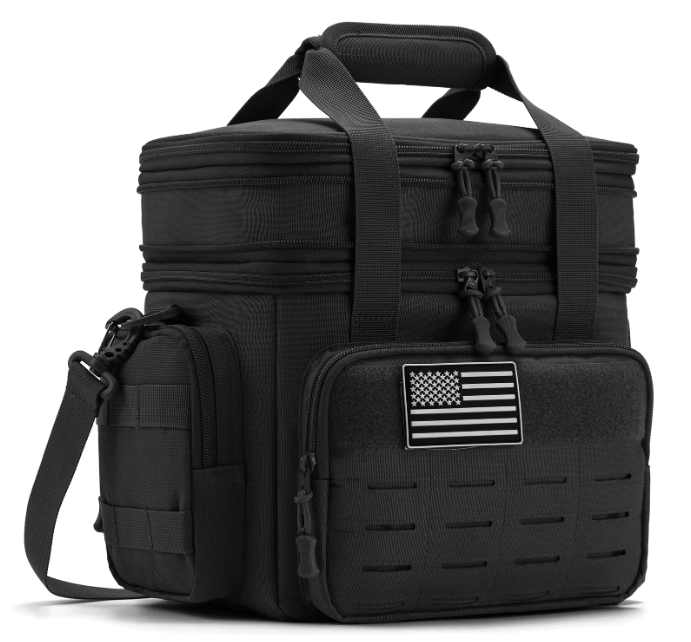
(Recommended: insulated soft cooler bag with ice pack compartment)
(Recommended: vacuum-insulated food carrier / warming jar for hot dishes)
FAQ Section
Q1. If food has been left out for 3 hours but still looks and smells fine, is it safe to eat? No. Many bacteria that cause foodborne illness do not change the appearance, smell, or taste of food. Once the applicable time limit (2 hours, or 1 hour above 90°F) has passed, the safest choice is to discard the food rather than judge it by appearance.
Q2. Does reheating food that’s been left out kill the bacteria and make it safe again? Reheating can kill some bacteria, but some bacteria produce toxins while multiplying that remain stable even after cooking or reheating. This means food that has been out too long can still be unsafe even after it’s been thoroughly reheated.
Q3. What foods are the exceptions to the 2-hour rule? Low-moisture foods such as bread, crackers, cookies, chips, and whole fruit with intact skin are generally lower risk and more forgiving, since bacteria multiply more slowly without moisture. High-moisture foods — meat, dairy, eggs, mayo-based salads, cut produce, cooked grains — should still follow the strict 2-hour/1-hour rule.
Q4. How hot does it actually need to be for the 1-hour rule to apply? The 1-hour rule applies once the ambient temperature reaches 90°F (32°C) or higher. This can happen on a sunny patio or picnic table even when the general daytime forecast is lower, so it’s worth checking the temperature where the food is actually sitting, not just the weather app.
Q5. Is it safe to eat leftovers that sat in a hot car for a while? A car interior can heat up well above 90°F within minutes, even with the windows cracked. Treat any perishable food left in a hot car as subject to the 1-hour rule, and when the exact time is uncertain, it’s safer to discard it.
This article is for general informational and educational purposes only and reflects publicly available food safety guidance as of the verification date noted below. For food safety concerns, symptoms of foodborne illness, or specific medical questions, consult a qualified healthcare provider or your local food safety authority.