Plants that were perfectly healthy a week ago can wilt, scorch, or die within days once a serious heatwave sets in, especially potted plants, which have far less soil to buffer against heat and moisture loss than plants in the ground. The good news is that most heat damage is preventable with a few adjustments to watering timing, shade, and soil care.
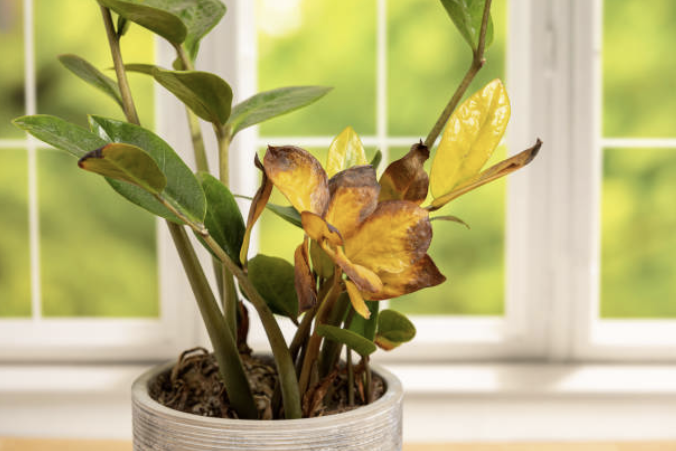
Why Heat Is So Damaging to Plants
Extreme heat causes damage through several overlapping effects:
– Faster water evaporation from soil, especially in containers, which dry out far quicker than garden beds
– Increased transpiration — plants lose water through their leaves faster than roots can replace it, causing wilting even in well-watered soil
– Leaf scorch from direct intense sun, which can cause visible browning even without a lack of water
– Root stress in containers, since pots heat up faster than the ground and can effectively “cook” roots from the outside
Step 1: Water Early in the Morning, Not Midday or Evening
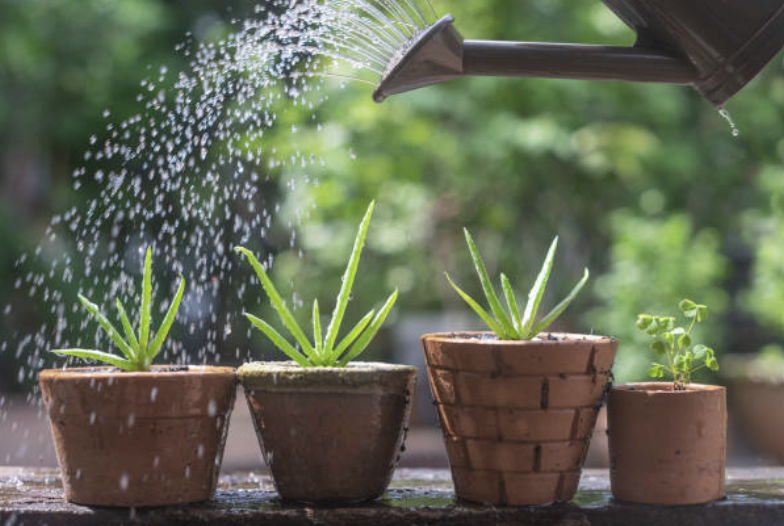
Watering in the early morning lets plants absorb moisture before the heat of the day causes it to evaporate. Evening watering can also work but increases the risk of fungal issues since the soil stays wet overnight; midday watering is the least effective, since much of the water evaporates before it’s absorbed and can even cause leaf scorch if water droplets sit on foliage in direct sun.
Step 2: Water Deeply, Not Frequently
A deep, thorough watering that reaches the root zone encourages roots to grow deeper and become more heat-resilient. Frequent shallow watering keeps roots near the surface, where they’re most exposed to heat and dry out fastest.
Step 3: Add Mulch to Retain Soil Moisture
A layer of mulch (straw, bark, or compost) over garden soil significantly slows evaporation and keeps roots cooler. For potted plants, even a thin layer of mulch on top of the soil helps, though pots benefit even more from the next step.
Step 4: Move or Shade Container Plants During Peak Heat
Unlike garden beds, pots can often be relocated. Moving containers to a spot with afternoon shade — even just for the hottest few hours — meaningfully reduces stress. If moving isn’t practical, a simple shade cloth or even a large umbrella positioned to block direct afternoon sun can help.
Step 5: Group Potted Plants Together
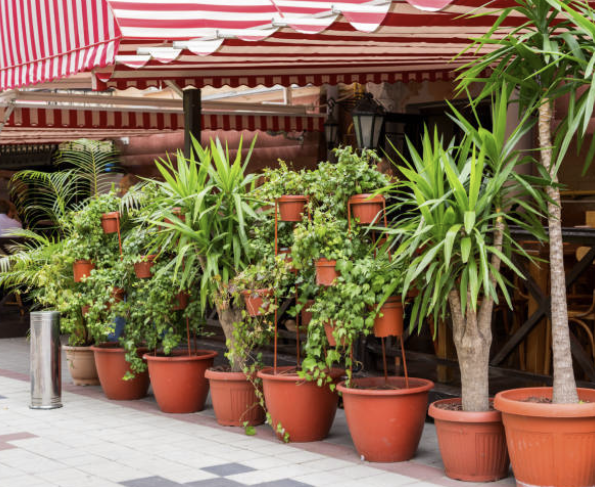
Plants placed close together create a more humid microclimate around themselves and shade each other’s soil, both of which reduce water loss compared to isolated pots spread across a hot patio or balcony.
Step 6: Hold Off on Fertilizing During Extreme Heat
Fertilizer can actually stress a plant further during a heatwave, since it pushes new growth at a time when the plant is already struggling to manage its water balance. Resume normal fertilizing once temperatures moderate.
What NOT to Do
– Don’t water in the middle of the day during peak sun — most of the water is lost to evaporation before it helps
– Don’t let containers sit directly on hot concrete or pavement without any barrier — this raises soil temperature further and stresses roots
– Don’t prune heat-stressed plants heavily during a heatwave — wait until temperatures moderate, since pruning adds additional stress
– Don’t assume drought-tolerant plants need no attention during extreme heat — even hardy plants benefit from deep watering during unusually intense or prolonged heat
Product Recommendation Section
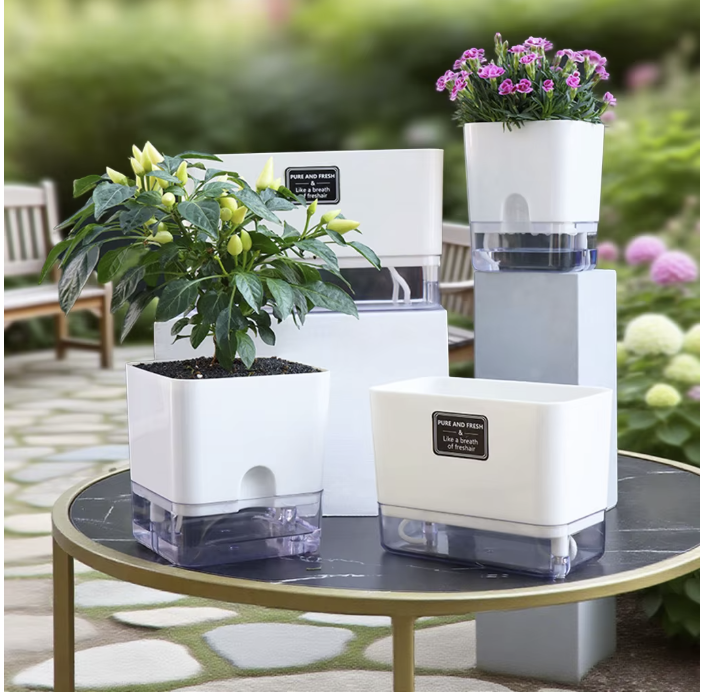
(Recommended: a self-watering planter)
FAQ Section
How do I know if a plant is wilting from heat stress versus lack of water?
Check the soil directly — if it’s moist but the plant is still wilting during peak afternoon heat and recovers by evening, that’s typically heat stress rather than drought stress, and the plant usually doesn’t need extra water on top of its normal schedule.
Should I mist my plants’ leaves to cool them down?
Generally not recommended during direct sun — water droplets on leaves can act like small lenses and cause leaf scorch. Misting is more useful in the evening or for humidity-loving houseplants, not as a midday cooling strategy outdoors.
Can I save a plant that’s already badly wilted from heat?
Often yes, if caught early — move it to shade immediately, water deeply (avoiding midday sun), and give it a day or two to recover before assessing whether any parts are damaged beyond recovery.
Do all plants need extra water during a heatwave, or just some?
Container plants almost always need more frequent watering during heat, since pots dry out fast. In-ground, established plants with deep root systems are often more resilient, though newly planted or shallow-rooted plants still need extra attention.