Scratching isn’t bad behavior — it’s a natural instinct cats use to mark territory, stretch, and keep their claws healthy. The goal isn’t to stop the scratching entirely; it’s to redirect it away from your leather couch and onto something appropriate. Punishment doesn’t work for this and often just teaches your cat to scratch when you’re not watching.
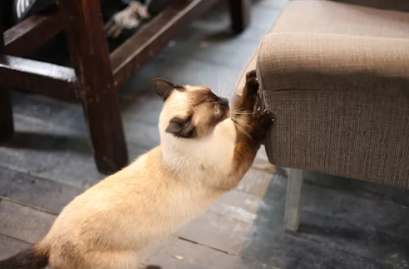
Step 1: Understand Why the Couch Specifically
Cats often prefer certain textures and locations. Leather can appeal to cats because of its texture and the resistance it offers when scratched — similar to bark, which is what scratching posts are designed to mimic. Location matters too: cats often scratch in visible, central spots (like a couch in the living room) because scratching is also a visual territory marker, not just a physical one.
Step 2: Place a Scratching Post in the Exact Spot They’re Already Using
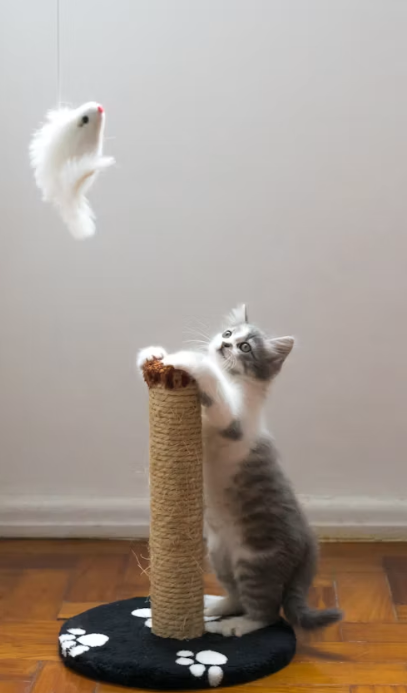
This is the single most effective step. Rather than putting a scratching post in a corner where you’d prefer it to be, place it directly next to (or in front of) the part of the couch your cat currently scratches. Cats are far more likely to use an alternative that’s in their preferred location than one that’s out of the way.
Choose a post that’s:
A rough, rope-like texture (sisal) rather than smooth carpet, which many cats prefers out of the way.
Tall enough for a full stretch (cats scratch best when they can extend fully)
Sturdy enough not to wobble or tip
Step 3: Make the Couch Temporarily Less Appealing
While your cat is learning the new habit, make the couch a less attractive option:
- Double-sided tape on the scratched area — cats dislike the sticky texture on their paws.
- Aluminum foil draped over the spot temporarily — the texture and sound discourage scratching.
- A citrus-scented spray (cats generally dislike citrus smells) — test on a hidden area of leather first.
These are temporary tools, not long-term fixes — remove them once the new scratching post habit is established (usually a few weeks).
Step 4: Trim Claws Regularly
Shorter claws do less damage even if your cat does scratch occasionally during the transition. If you’re not comfortable trimming claws yourself, many groomers and vets offer quick nail trims for a small fee.
Step 5: Consider Soft Nail Caps for High-Risk Situations
For cats that are especially persistent, soft silicone nail caps (applied over the claws) blunt the damage entirely while you work on redirecting the behavior. They’re temporary (lasting 4–6 weeks) and don’t affect the cat’s ability to walk normally.
Step 6: Reward the New Behavior
Whenever your cat uses the scratching post instead of the couch, offer praise, a treat, or play. Positive reinforcement builds the habit far faster than any deterrent alone.
What NOT to Do
- Don’t yell, spray with water, or physically punish your cat for scratching — this often increases anxiety-driven scratching rather than reducing it.
- Don’t remove all scratching outlets — that doesn’t stop the instinct, it just removes the acceptable option.
- Don’t declaw as a solution — it’s a major, irreversible procedure that’s banned or discouraged in many regions for welfare reasons, and it doesn’t address the root cause.
Product Recommendation Section
( recommended: a tall sisal scratching post,)
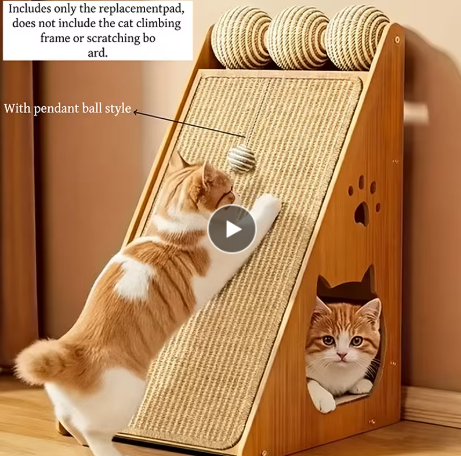
Recommended: A sisal-rope scratching post placed directly next to the couch is the highest-impact single purchase for this problem.
FAQ Section
How long does it take to redirect a cat’s scratching habit? Most cats adjust within 2–4 weeks with consistent placement of an appealing alternative and mild deterrents on the couch.
Will double-sided tape damage my leather couch? Standard double-sided tape shouldn’t damage leather if removed within a few weeks, but test a small hidden area first, especially on softer or more delicate leather finishes.
My cat ignores the scratching post completely. What now? Try a different texture (sisal vs. cardboard vs. carpet) or orientation (vertical vs. horizontal posts) — cat preferences vary, and it sometimes takes trial and error to find the right match.
Is it true that cats only scratch furniture when they’re stressed? Not necessarily — normal territorial and claw-maintenance scratching is common even in relaxed, happy cats. However, a sudden increase in scratching can sometimes signal stress or anxiety, so it’s worth noting if the behavior changes suddenly.