A knife that was sharp when you bought it doesn’t stay that way because of the knife — it’s almost always because of how it’s stored, washed, and used day to day. Most home cooks lose knife sharpness within weeks, not because the steel is low quality, but because of a handful of habits that quietly dull and damage the edge every time the knife is used.
Why Knives Actually Go Dull
The edge of a knife is a very thin line of metal, and it degrades through three main causes:
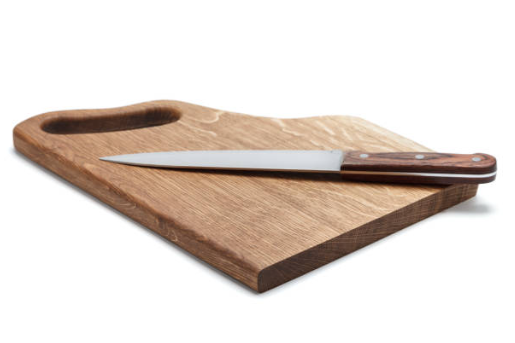
- Cutting on the wrong surface — glass, ceramic, or stone cutting boards dull an edge far faster than wood or plastic
- Improper storage — knives tossed loose in a drawer knock against other utensils and chip the edge
- Dishwasher washing — heat, water pressure, and contact with other items in the dishwasher both dulls and corrodes blades over time
Step 1: Always Cut on Wood or Plastic, Never Glass or Stone
Glass cutting boards and stone/marble surfaces feel durable, but they’re actually harder than the steel in most kitchen knives, so every cut slightly grinds down the edge. Switch to a wood or soft plastic cutting board — it flexes slightly under the blade instead of fighting it.
Step 2: Hand Wash and Dry Immediately
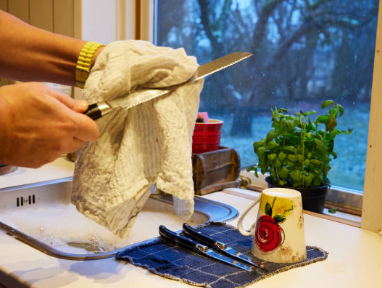
Wash knives by hand with mild soap right after use, and dry them immediately with a towel. Letting a wet blade sit — even for a few minutes in a sink — is one of the most common causes of rust spots, especially on carbon steel or lower-grade stainless blades.
Step 3: Store Knives Properly — Never Loose in a Drawer
A knife block, magnetic wall strip, or in-drawer knife tray keeps blades separated so they don’t knock against other utensils. Loose storage is one of the fastest ways to chip an edge, and chips are much harder to fix than ordinary dullness.
Step 4: Use a Honing Rod Before Every Few Uses
Honing isn’t the same as sharpening — it doesn’t remove metal, it just realigns the edge that bends slightly from normal use. Running the blade along a honing rod at a consistent angle for a few strokes before cooking keeps the edge working properly between actual sharpenings.
Step 5: Sharpen Every 2–3 Months (Not Just When It Feels Dull)
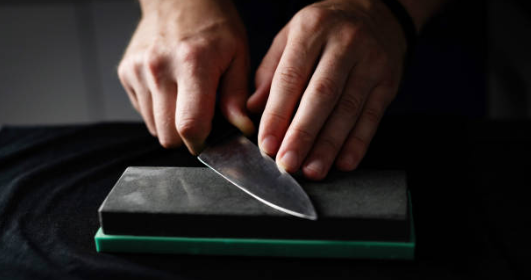
By the time a knife feels obviously dull, the edge has already lost a lot of its structure. A whetstone, pull-through sharpener, or an occasional professional sharpening every couple of months maintains the edge before it gets to that point.
What NOT to Do
- Don’t put knives in the dishwasher, even if the label says “dishwasher safe” — it still shortens the blade’s lifespan
- Don’t use glass or stone cutting boards
- Don’t store knives loose in a utensil drawer
- Don’t try to sharpen a badly chipped edge with a honing rod — that only realigns, it won’t fix damage
How Long Should a Good Knife Last?
With the right care, a decent quality kitchen knife can stay functional for 10+ years. Most of the “this knife is junk” moments people experience within the first year are actually maintenance issues, not a defective knife.
Product Recommendation Section
(Recommended: magnetic knife strip)
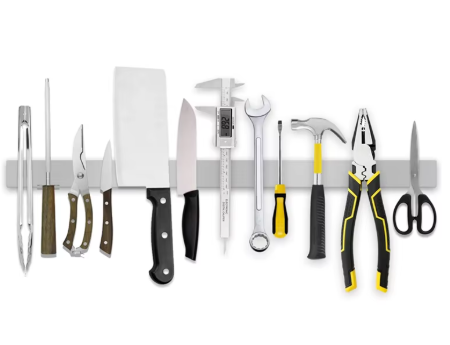
Recommended: A magnetic wall strip is one of the easiest upgrades — it keeps blades separated, dries them faster than a drawer, and saves counter space compared to a knife block.
FAQ
Is it really that bad to put knives in the dishwasher?
Yes — the combination of heat, moisture, and contact with other items both dulls the edge and increases the chance of rust or pitting over time, even on knives labeled dishwasher-safe.
What’s the difference between honing and sharpening?
Honing realigns an edge that’s bent slightly from normal use and should be done often. Sharpening actually removes a thin layer of metal to create a new edge, and is needed far less frequently.
Can I use a glass cutting board if I’m careful?
Even careful use on glass or stone dulls a blade faster than wood or plastic, since the surface itself is harder than the knife’s edge — it’s the material, not the technique, that causes the wear.
My knife has a rust spot — is it ruined?
Small surface rust can often be removed with a paste of baking soda and water, or fine steel wool, followed by thorough drying. Deep pitting is harder to fully reverse, which is why quick drying after washing matters so much.
Story Recommendation
Is It Better to Wash Dishes by Hand or Use a Dishwasher?
How to Clean Your Home When You Are Short on Time
Is an Extended Warranty Worth It? A Practical Guide Before You Buy