Hot, humid weather doesn’t just make a home feel sticky — it changes how floors behave. Wood floors can expand, tile floors can trap more grime from increased foot traffic and sweat, and humidity in general slows down how quickly any spill or cleaning solution actually dries. Understanding how heat and humidity interact with your specific floor type is the difference between floors that hold up all summer and ones that show damage by fall.
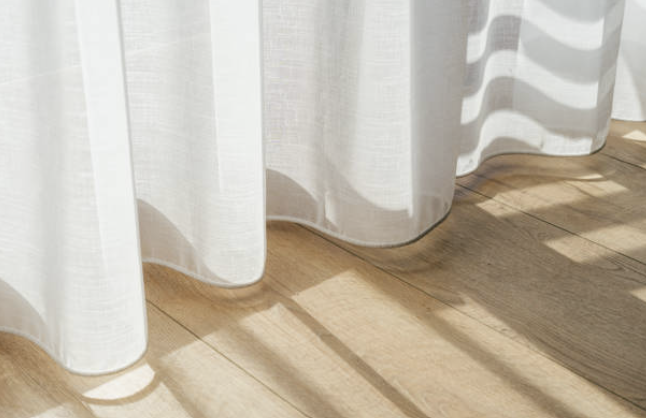
Why Heat and Humidity Are Hard on Floors
- Wood absorbs moisture from humid air, causing boards to expand slightly — in extreme cases this leads to visible buckling or gaps once humidity drops again
- Tile and grout show dirt and grime faster in hot weather due to increased foot traffic, sweat, and outdoor debris tracked in more often (sandals, bare feet, pool visits)
- Cleaning solutions dry more slowly in humid air, which can leave streaks or residue if not wiped promptly
- Rugs and mats on top of floors trap moisture against the surface underneath, which can be a problem for wood floors especially
Step 1: Control Indoor Humidity Where Possible
Keeping indoor humidity in a moderate range (ideally 30–50%) protects wood floors from excess expansion. A dehumidifier or even running AC (which naturally removes some humidity as a byproduct) helps maintain this range during a humid stretch.
Step 2: Clean Wood Floors with Minimal Water
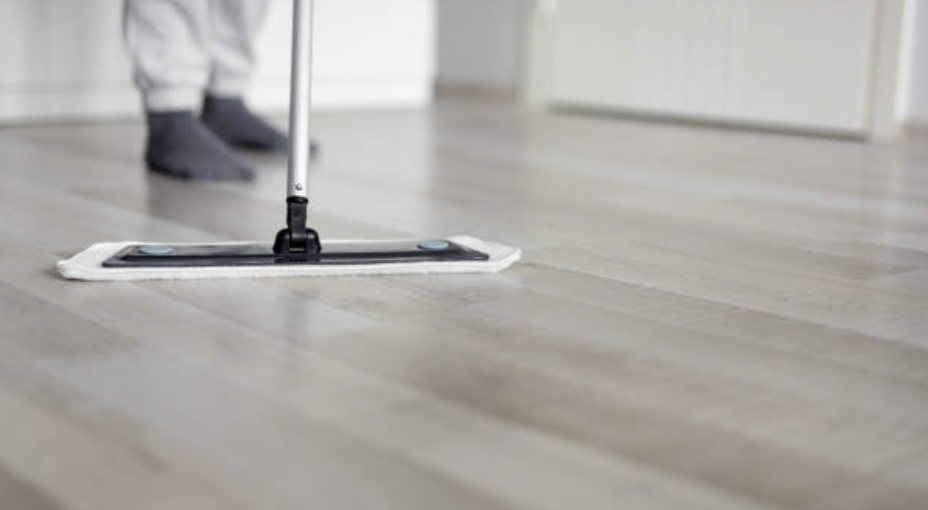
During humid weather, it’s especially important to use a well-wrung, barely damp mop rather than a wet one on wood floors — excess water on top of already-elevated ambient humidity increases the risk of warping. A microfiber mop with a wood-safe cleaner works well without oversaturating the surface.
Step 3: Wipe Tile and Grout More Frequently
Tile handles moisture better than wood, but grout lines can trap grime faster during hot weather due to increased foot traffic. A weekly grout-focused cleaning (a soft brush with a mild cleaner) prevents buildup that’s much harder to remove once it sets in over weeks.
Step 4: Dry Any Spills or Wet Foot Traffic Immediately
In humid weather, spills and wet footprints take longer to air-dry on their own, which extends the time floors are vulnerable to staining or, on wood, moisture absorption. Wiping immediately rather than letting it air-dry matters more in summer than in drier winter conditions.
Step 5: Use Breathable Mats at Entry Points
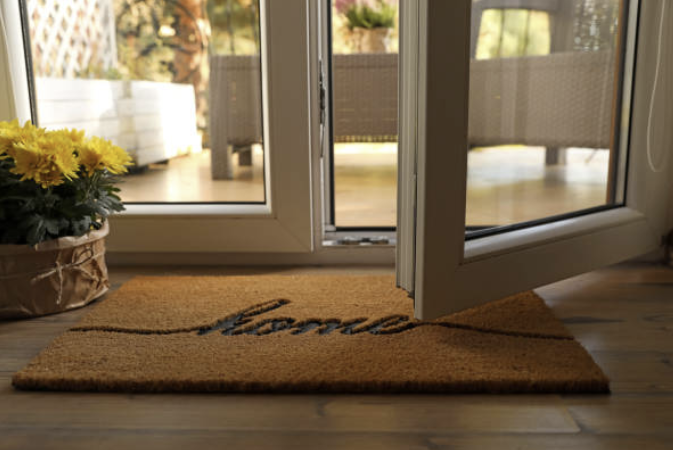
Placing absorbent, breathable mats at doors catches moisture, sand, and debris from sandals or bare feet before it reaches your main floors. Avoid rubber-backed mats on wood floors for extended periods, since they can trap moisture against the wood underneath.
Step 6: Check for Early Signs of Wood Floor Expansion
Small gaps between boards that appear or disappear seasonally are usually normal wood behavior. Boards that feel soft, are visibly buckling upward, or show discoloration need more immediate attention, since this can indicate moisture getting underneath the flooring itself, not just surface-level humidity effects.
What NOT to Do
- Don’t use a soaking wet mop on wood floors during humid weather — combined moisture from humidity and cleaning increases warping risk
- Don’t let spills or wet footprints sit and air-dry during a humid stretch — wipe them promptly
- Don’t place rubber-backed mats on wood floors for long periods, especially in humid weather
- Don’t ignore small seasonal gaps in wood floors as a first assumption of damage — but do monitor for buckling or softness, which are different signals
Product Recommendation Section
(Recommended: a compact dehumidifier)

Recommended: A compact dehumidifier for particularly humid rooms can help protect wood floors and reduce the “clean but still feels sticky” sensation common in summer.
FAQ Section
Is it normal for wood floor gaps to change with the seasons? Yes — small gaps that appear in dry winter months and close up in humid summer months are a normal response to seasonal humidity changes and usually aren’t a sign of damage.
What’s the ideal indoor humidity level to protect wood floors? Most flooring manufacturers recommend keeping indoor humidity between 30–50% year-round to minimize expansion and contraction of wood flooring.
Why does my tile floor feel grimy faster in summer even though I clean it the same way? Increased foot traffic (sandals, bare feet, pool or yard visits) brings in more debris and moisture during summer, which builds up in grout lines faster than in cooler months with less outdoor activity.
Can I use a steam mop on wood floors during humid weather? Steam mops are generally not recommended for wood floors regardless of season, since the heat and moisture combination can be harsh on wood finishes — a barely damp microfiber mop is the safer choice.