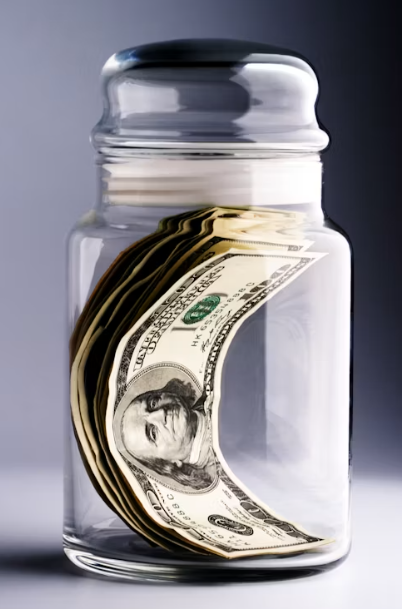
A $1,000 emergency fund isn’t meant to cover every possible disaster — it’s meant to stop a single car repair, vet bill, or broken appliance from turning into high-interest credit card debt. Financial educators commonly recommend this as the first savings milestone before tackling anything else, because it breaks the cycle of using debt for every unexpected expense.
Step 1: Open a Separate Account for It
Keeping emergency savings mixed in with your regular checking account makes it too easy to spend “by accident.” Open a free separate savings account (many Canadian banks offer no-fee savings accounts) specifically for this fund, and don’t link a debit card to it if you can avoid it — the extra friction to access it is intentional.
Step 2: Set a Specific, Short Timeline
“Someday” goals rarely get funded. Instead, pick a concrete target: for example, $1,000 in 10 weeks means $100 a week, or in 20 weeks means $50 a week. Having a specific number attached to a specific date makes the goal feel achievable rather than abstract.
Step 3: Automate a Fixed Amount
Set up an automatic transfer to your emergency fund account on payday, even if it’s a small amount like $25 or $50. Automating removes the decision-making step — money moves before you have a chance to spend it elsewhere.
Step 4: Find Money Without Cutting Your Whole Budget
Rather than a dramatic budget overhaul, look for smaller, specific sources:
- Cancel one unused subscription — many people are paying for at least one streaming service or app they forgot about
- Redirect a specific recurring expense — for example, brewing coffee at home instead of buying it a few days a week
- Use cashback or rewards you’re already earning and redirect it straight to savings instead of spending it
Step 5: Add Windfalls Directly
Tax refunds, work bonuses, rebate checks, or cash gifts can go straight into the fund rather than into everyday spending. Because these are unplanned money to begin with, redirecting them doesn’t affect your regular budget at all.
Step 6: Sell Things You’re Not Using
A one-time push selling unused items (clothes, electronics, furniture) can meaningfully jump-start the fund, especially in the first few weeks when momentum matters most for staying motivated.
Step 7: Protect the Fund Once You Reach It
Once you hit $1,000, the temptation is to think of it as “extra money” for a big purchase. Keep it reserved specifically for true emergencies — job loss, urgent car repairs, medical costs, essential home repairs — not planned expenses like holidays or predictable annual costs (those deserve their own separate savings category).
What Counts as an “Emergency”
A simple test: if the expense is unexpected, necessary, and urgent, it qualifies. A vacation doesn’t meet that bar. A furnace breaking down in January does.
FAQ Section
Is $1,000 really enough for a real emergency? For many common unexpected expenses (a car repair, an urgent appliance replacement, a smaller medical bill), yes. It’s designed as a first milestone, not a full financial safety net — after reaching it, many people continue building toward 3–6 months of expenses.
Should I pay off debt first, or build the emergency fund first? Many financial educators recommend building a small emergency fund (like $1,000) before aggressively paying down debt, specifically so a new unexpected expense doesn’t force you to add to that same debt again.
What if I can only save $10 a week? That’s still progress — at $10 a week, you’d reach $1,000 in under two years, and many people find their savings rate increases over time as the habit becomes automatic and small expenses get trimmed along the way.
Where should I actually keep this money? A high-interest savings account that’s separate from your everyday chequing account, easy enough to access in a genuine emergency but not linked to a debit card you use daily.
This article is for general informational purposes only and isn’t financial advice. Individual financial situations vary — consider speaking with a financial professional for guidance specific to your circumstances.