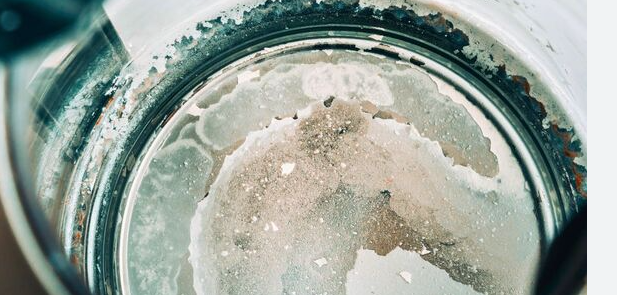
That white, crusty buildup on the bottom and sides of your kettle is limescale — mineral deposits (mostly calcium carbonate) left behind as hard water evaporates during boiling. It’s not dangerous, but it can affect how your kettle heats, make your tea or coffee taste slightly off, and eventually clog the spout. The good news: you don’t need a commercial descaling chemical to fix it. Vinegar or lemon juice — both mild acids — dissolve limescale just as effectively.
Why Limescale Builds Up
Hard water contains dissolved calcium and magnesium. When you boil water, those minerals don’t evaporate along with the water vapor — they stay behind and gradually harden into the chalky white deposits you see. If you live in an area with hard water, this happens faster and more heavily than in areas with soft water.
Method 1: White Vinegar (Most Effective for Heavy Buildup)
What you’ll need:
- White vinegar
- Water
- A cloth or soft brush
Steps:
- Fill the kettle halfway with a 1:1 mixture of white vinegar and water.
- Bring it to a boil, then turn it off and let the mixture sit for 20–30 minutes. For heavy buildup, let it sit up to an hour.
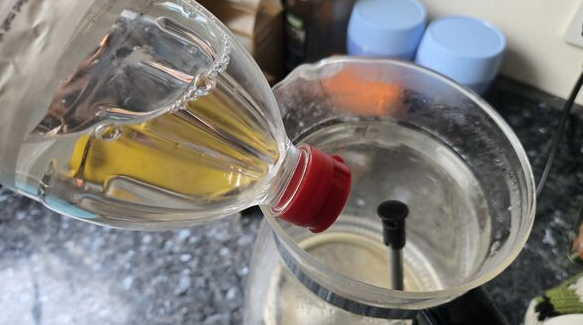
- Pour out the mixture. Most of the loosened limescale should come out with the liquid.
- For any remaining spots, scrub gently with a soft brush or cloth — avoid anything abrasive that could scratch the interior, especially on non-stick or coated kettles.
- Rinse thoroughly with clean water, then boil a full kettle of plain water and discard it, to make sure no lingering vinegar taste remains before you use it for tea or coffee.
Method 2: Lemon Juice (Gentler, Good for Light Buildup)
What you’ll need:
- 2–3 lemons (juiced) or bottled lemon juice
- Water
Steps:
- Squeeze the lemon juice into the kettle and fill the rest with water.
- Boil, then let it sit for 15–20 minutes.
- Pour out, rinse thoroughly, and boil a round of plain water before regular use.
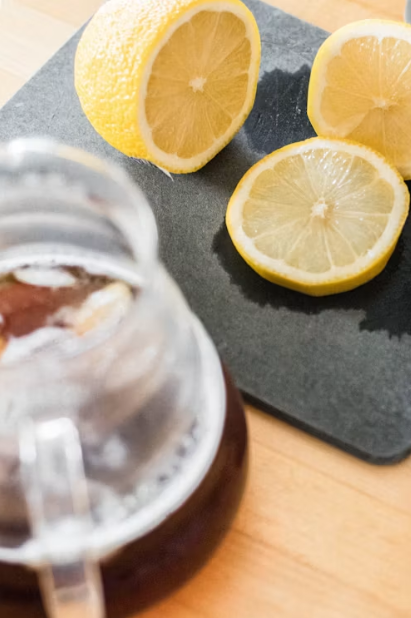
Lemon juice works a bit more slowly than vinegar, so it’s best for regular light maintenance rather than kettles with months of heavy buildup.
For Electric Kettles Specifically
The method is the same, but a couple of things to keep in mind:
- Never submerge the base or plug — only the water reservoir inside the kettle should touch the vinegar or lemon mixture.
- Check your kettle’s manual first if it has a visible heating element, since some manufacturers recommend against boiling vinegar directly (a diluted version or a longer soak without boiling may be suggested instead).
How Often to Descale
- Hard water areas: every 4–6 weeks
- Soft water areas: every 2–3 months
- A simple sign it’s time: if you start noticing small white flecks in your tea or coffee, or the kettle seems to take longer to boil, that’s usually limescale buildup slowing things down.
Preventing Buildup Between Cleanings
- Don’t leave water sitting in the kettle after boiling — empty it out
- If your water is very hard, consider using filtered water for boiling
- Wipe the interior dry occasionally with a cloth to prevent mineral deposits from settling
FAQ
Is limescale actually harmful to drink? No — it’s not toxic and is generally considered safe, though the taste and texture can be unpleasant in your tea or coffee, and heavy buildup can shorten your kettle’s lifespan over time.
Can I use baking soda instead of vinegar or lemon? Baking soda is mildly alkaline rather than acidic, so it’s not as effective at dissolving limescale specifically. It’s better suited for general odor removal or light scrubbing, not descaling.
My kettle still has spots after one treatment. What now? For very heavy, long-neglected buildup, you may need to repeat the process 2–3 times. Letting the vinegar or lemon mixture sit longer before rinsing usually helps more than adding extra scrubbing force.
Does descaling affect how my kettle tastes afterward? Not if you rinse thoroughly and boil a round of plain water afterward and discard it — this step removes any lingering vinegar or lemon taste before you use the kettle normally again.
Story Recommendation
How to Clean an Air Fryer Basket with Baked-On Grease