A lot of closets — especially in older homes and apartments — come with nothing but a single rod and a lot of wasted vertical and floor space. Without shelves or drawers, it’s tempting to just pile things on the floor or cram everything onto one rod. The good news: you can add real, organized storage to almost any closet without any renovation, drilling, or built-in carpentry — which also makes this approach ideal for renters.
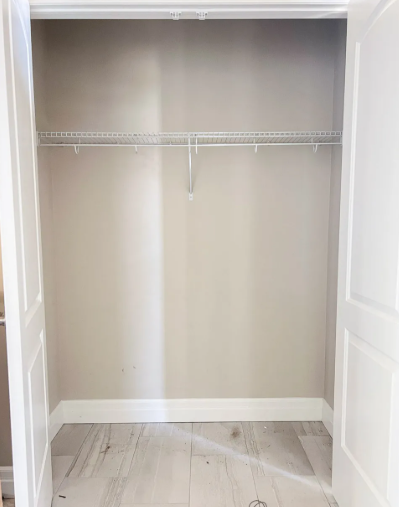
Step 1: Take Everything Out and Sort
Before adding any organizing tools, empty the closet completely and sort items into three groups:
- Hang (items that need a hanger — coats, dresses, button-ups)
- Fold (sweaters, jeans, t-shirts — items that hold their shape folded)
- Store elsewhere (out-of-season items, rarely used items)
This step matters because it determines exactly what kind of storage you actually need, rather than buying organizers first and hoping they fit.
Step 2: Add a Second Hanging Rod
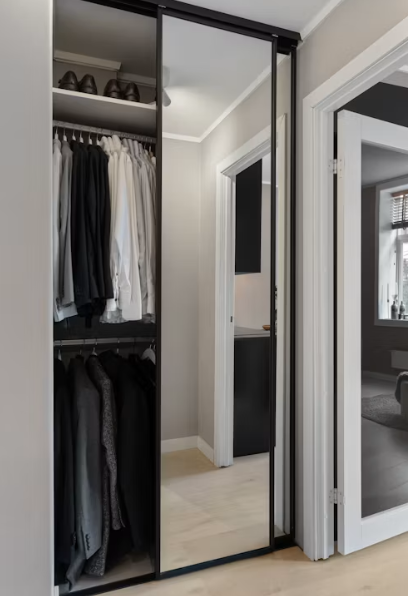
A single rod usually wastes the space below hanging shirts and folded pants — often 2+ feet of empty air. A tension rod (no drilling required) installed below the existing rod creates a second hanging level for shorter items like shirts, skirts, or folded pants on hangers.
Step 3: Use a Hanging Shelf Organizer
A fabric hanging shelf organizer (the kind with 6–8 cube compartments) hooks directly onto the existing rod and instantly creates shelf-like storage for folded items — no tools, no drilling. This is one of the highest-impact, lowest-effort additions for a shelf-less closet.
Step 4: Add a Freestanding Shelving Unit for the Floor
If there’s any floor space below the hanging clothes (there often is, especially with the tension rod trick from Step 2 raising things up), a slim freestanding shelf unit fits neatly underneath and holds shoes, folded items, or storage bins — all without attaching to the walls.
Step 5: Use the Back of the Door
The inside of the closet door is almost always unused space. An over-the-door organizer (fabric pockets or a hook rail) works well for:
- Shoes
- Belts and scarves
- Small accessories
Step 6: Add Stackable Bins for Anything Folded or Loose
For the “fold” pile from Step 1, stackable bins (fabric or clear plastic) keep folded items from becoming a leaning tower every time you grab something from the bottom. Clear bins specifically make it much easier to find things without unstacking everything.
Step 7: Use Vertical Space Above the Rod
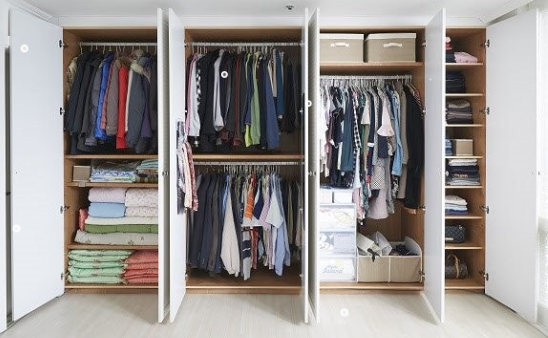
The area above the main hanging rod is usually empty air all the way to the ceiling. A slim shelf (installed with removable adhesive strips rather than screws, if you’re renting) or a stack of labeled bins can use this space for out-of-season or rarely accessed items.
A Note for Renters
Every method above avoids drilling into walls:
- Tension rods use spring pressure, not screws
- Hanging organizers hook onto the existing rod
- Over-the-door organizers hang on the door itself
- Adhesive hooks and strips (rated for the weight of what you’re hanging) can replace wall-mounted hooks
This makes the entire setup fully reversible when you move out.
FAQ
Will a tension rod actually hold heavier clothing? Most tension rods are rated for a reasonable amount of weight when installed correctly (twisted tight against the walls, not just resting in place), but check the weight rating before loading it with heavy coats — lighter items like shirts and folded pants are the safest bet.
How do I organize a closet with barely any floor space at all? Prioritize vertical solutions — the hanging shelf organizer and over-the-door organizer add storage without needing any floor footprint at all.
Are adhesive hooks strong enough for a coat or bag? Check the weight rating printed on the packaging — many are rated for several pounds, which covers lightweight jackets and bags, but heavier winter coats may need a more secure option like a hook attached to the existing rod structure.
Is it worth buying matching hangers for a small closet? It’s a small change but a genuinely useful one — uniform slim hangers (instead of a mix of bulky plastic ones) can free up several extra inches of hanging space in a tightly packed closet.