Bread going stale or moldy within a few days is usually a storage problem, not a bread quality problem. You don’t need a dedicated bread box to fix it — the right combination of container and location makes a bigger difference than people expect.
Why Bread Goes Stale (and Why the Fridge Makes It Worse)
Staling isn’t really about moisture loss — it’s caused by the starch in bread recrystallizing, a process called retrogradation. Counterintuitively, refrigeration speeds this up significantly rather than slowing it down, because the process happens fastest at fridge temperatures (just above freezing). This is why bread from the fridge often feels stale within a day or two, faster than bread left at room temperature.
Best Method for Bread You’ll Eat Within a Few Days: Room Temperature, Airtight
- Let bread cool completely if it’s homemade or fresh from a bakery — sealing warm bread traps steam and encourages mold.
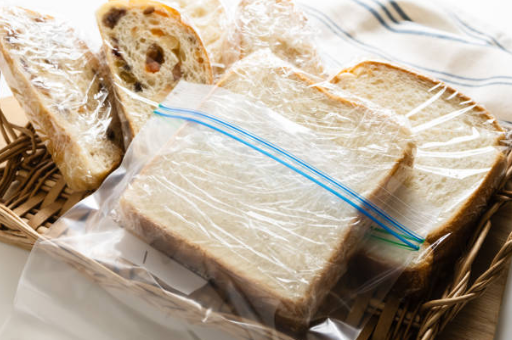
- Store it in an airtight container, a sealed plastic bag with the air pressed out, or a reusable silicone bread bag.
- Keep it somewhere cool, dry, and out of direct sunlight — a pantry shelf or cupboard works better than a spot near the stove or a sunny counter.
For Crusty, Artisan-Style Bread: A Paper Bag Instead
Crusty breads (sourdough, baguettes) actually do better in a breathable paper bag rather than fully airtight storage — a fully sealed container traps moisture and softens the crust you’re trying to preserve. If you want both a soft interior and a crisp crust, a paper bag inside a loosely closed plastic bag is a common middle-ground approach.
If You Won’t Finish It Within 3-4 Days: Freeze It
This is the most reliable way to prevent staling and mold entirely:
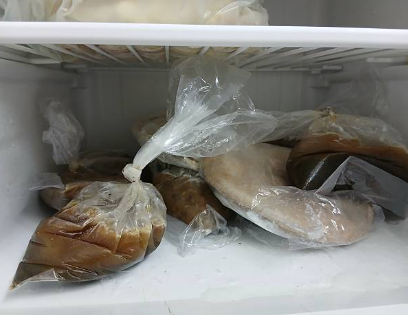
- Slice the bread before freezing if you plan to use it a few pieces at a time — this lets you pull out only what you need.
- Wrap tightly in plastic wrap or a freezer bag, pressing out as much air as possible.
- Freeze for up to 3 months without meaningful quality loss.
- To thaw, leave at room temperature for a couple of hours, or toast slices directly from frozen.
Reviving Slightly Stale Bread (Before You Give Up on It)
If a loaf has gone a bit stale but isn’t moldy, this trick genuinely works:
- Lightly run the loaf under water or mist it with water
- Wrap it in foil
- Bake at 300°F (150°C) for about 10 minutes
The added moisture combined with heat can restore a surprising amount of softness, especially for crusty breads.
What to Avoid
- Storing bread in the fridge — this speeds up staling, not slows it, except in very hot, humid climates where mold risk outweighs the staling tradeoff
- Leaving bread in its original grocery store bag once opened — these bags are often not well-sealed and don’t protect against air exposure
- Storing near the stove, oven, or in direct sunlight — heat and light both accelerate staling and increase mold risk
How to Tell If It’s Actually Moldy (Not Just Stale)
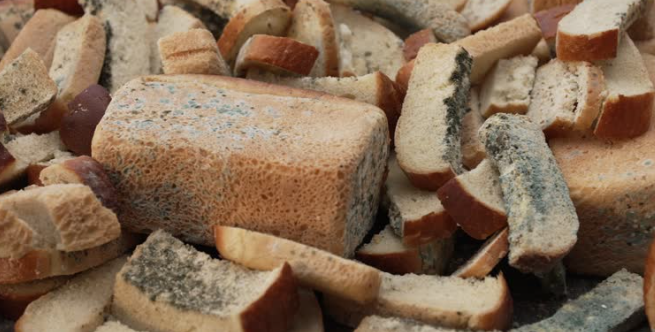
Stale bread is simply dry and firm — still safe to eat, especially if toasted or revived with the method above. Mold appears as fuzzy spots (often green, white, or black) and means the entire loaf should be discarded, not just the visibly affected piece, since mold spreads through soft bread faster than it appears on the surface.
Product Recommendation Section
(Recommended: a reusable silicone bread storage bag}
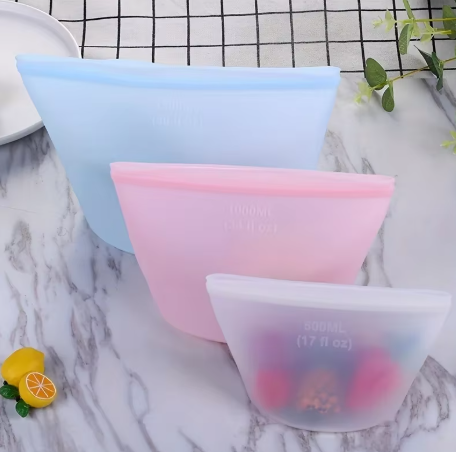
Recommended: A reusable silicone bread bag is a simple swap from the original plastic packaging and keeps bread fresher for longer without needing a dedicated bread box.
FAQ Section
Is it true that refrigerating bread makes it go stale faster? Yes — the starch recrystallization process that causes staling happens fastest at refrigerator temperatures, so room-temperature or freezer storage generally keeps bread fresher longer.
How long does bread actually last at room temperature? Typically 3–4 days for store-bought sandwich bread, and often less for preservative-free homemade or bakery bread, which is why freezing is recommended if you won’t finish it within that window.
Can I freeze bread that’s already starting to go stale? Freezing won’t reverse existing staling, but it will stop it from getting worse — for genuinely fresher results, freeze bread as soon as possible after it cools, rather than waiting until it’s already noticeably stale.
Does the type of bread change the best storage method? Yes — soft sandwich bread does best in airtight storage, while crusty artisan bread stays best in breathable paper to preserve the crust texture.