Bathroom ceilings are one of the most common spots for mold, thanks to the constant combination of heat, moisture, and often limited airflow. The good news is that surface mold on a ceiling is usually very treatable — the key is removing it properly and fixing the moisture problem that let it grow in the first place, or it will simply come back.
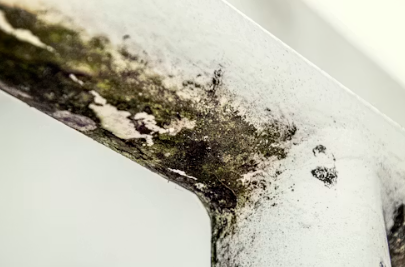
Safety First
Before starting, open a window or turn on the bathroom fan for ventilation, and wear rubber gloves and a mask (a basic dust/particulate mask is sufficient for small areas) — mold spores can irritate airways, especially during active scrubbing.
What You’ll Need
- Distilled white vinegar (or a bleach solution — see note below)
- A spray bottle
- A scrub brush or sponge with a long handle (for reaching the ceiling comfortably)
- A clean cloth
- Rubber gloves and a mask
Step-by-Step Method (Vinegar — Safer for Most Surfaces)
- Fill a spray bottle with undiluted white vinegar. Vinegar is mildly acidic and kills a large percentage of common household mold species without the fumes or surface damage risk that bleach carries.
- Spray the moldy area generously, making sure to fully saturate it, not just mist it.
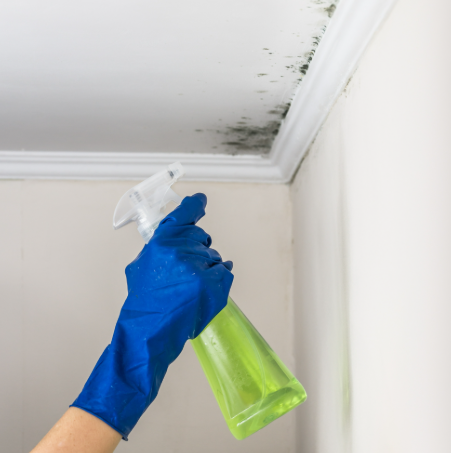
- Let it sit for at least one hour. This sitting time matters — vinegar needs contact time to actually kill mold at the root, not just the visible surface growth.
- Scrub gently with a brush or sponge. Circular motions lift the loosened mold without over-scrubbing the ceiling surface.
- Wipe clean with a damp cloth, then dry the area thoroughly with a dry cloth or by running the bathroom fan.
If You Prefer Bleach (For Heavier, Established Mold)
Mix 1 cup of bleach per gallon of water, apply with a sponge (never spray bleach solutions, since misting creates airborne particles), let sit for 5–10 minutes, then rinse and dry thoroughly.
⚠️ Never mix bleach and vinegar together — combining the two produces toxic chlorine gas. Choose one method for a given cleaning session, not both.
For Painted Ceilings With Deep Staining
If mold has left a stain even after cleaning (common on painted surfaces where mold has been established for a while), a stain-blocking primer followed by mold-resistant bathroom paint can cover residual discoloration and add a layer of future prevention.
The Part That Actually Prevents Mold From Coming Back
Cleaning the mold off without addressing moisture just means it will return within weeks. Address the underlying cause:
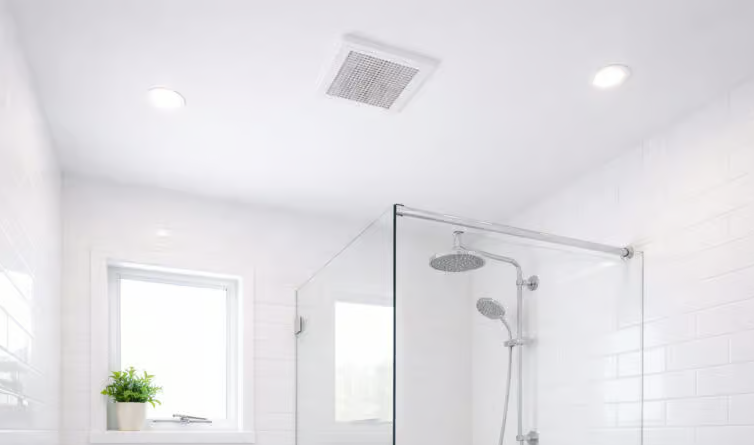
- Run the bathroom exhaust fan during and for at least 20–30 minutes after every shower
- Crack a window if you have one, even briefly after showering
- Check that your exhaust fan actually vents outside, not just into the attic — a surprisingly common installation mistake that traps moisture right above the bathroom
- Wipe down visibly wet surfaces (ceiling, walls) after very hot, steamy showers if ventilation alone doesn’t fully clear the moisture
- Fix any leaks from the roof or plumbing above the bathroom if mold keeps returning to the same specific spot despite good ventilation — this can indicate a moisture source beyond just shower steam
Product Recommendation Section
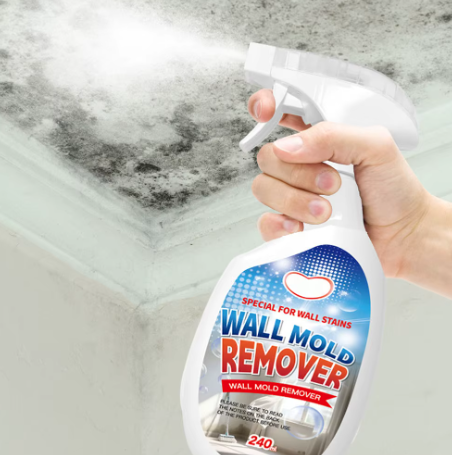
Recommended: A dedicated mold and mildew remover spray designed for bathroom surfaces can help with tougher, more established mold
Recommended: If your current exhaust fan is weak or you’re not consistently running it, a humidity-sensing fan that turns on automatically removes the “remembering to do it” problem entirely.
FAQ Section
Is bathroom ceiling mold dangerous to breathe? Most common household molds cause irritation rather than serious illness in healthy adults, but people with asthma, allergies, or weakened immune systems can be more sensitive. Good ventilation during cleaning and prompt treatment either way is the safest approach.
Why does the mold keep coming back in the exact same spot? This usually points to a moisture source beyond normal shower steam — either inadequate ventilation, a fan venting into the attic instead of outside, or an actual leak from above. If cleaning alone doesn’t stop the recurrence, it’s worth investigating the ventilation or checking for leaks.
Can I just paint over the mold instead of cleaning it first? No — painting over active mold traps it underneath, where it can continue growing and eventually bleed through the new paint. Always clean and fully dry the area before any painting or priming.
How do I know if it’s mold or just water staining? Mold typically has a fuzzy or slightly raised texture and a musty smell, while plain water staining is flat and odorless. If you’re unsure, a small vinegar test spot will usually lighten mold within the hour but won’t change plain mineral staining.