During a prolonged heatwave, the instinct is often to run the AC constantly and worry about the bill later. But a few adjustments to how and when you cool your home can meaningfully cut costs without making the heat any more bearable — and some of them help even if you don’t have AC at all.
Why Cooling Costs Spike So Much in a Heatwave
It’s not just that it’s hotter outside — it’s that your AC has to work harder for every additional degree of temperature difference between inside and outside. A unit cooling a home from 35°C to 22°C uses meaningfully more energy than cooling from 28°C to 22°C, so small reductions in how hot your home gets in the first place translate into real savings.
Step 1: Block Heat Before It Gets In, Not After
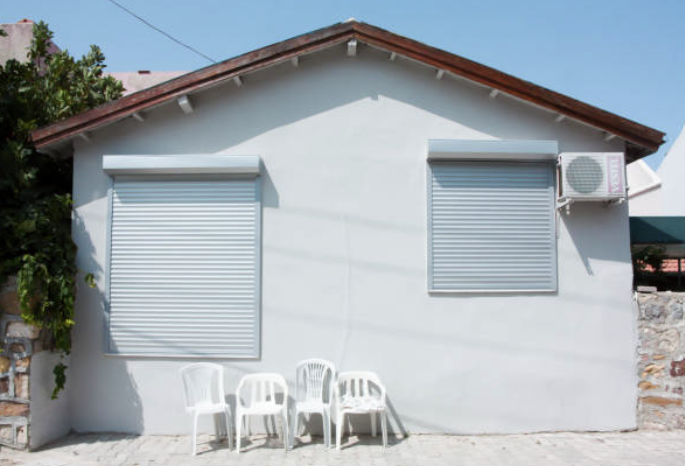
Closing blinds, curtains, or shutters on sun-facing windows during the hottest part of the day (typically late morning through late afternoon) prevents a large share of heat from entering in the first place. Once heat is inside and trapped in walls and furniture, it takes far more energy to remove than to have blocked in the first place.
Step 2: Set Your Thermostat a Few Degrees Higher Than You Think You Need
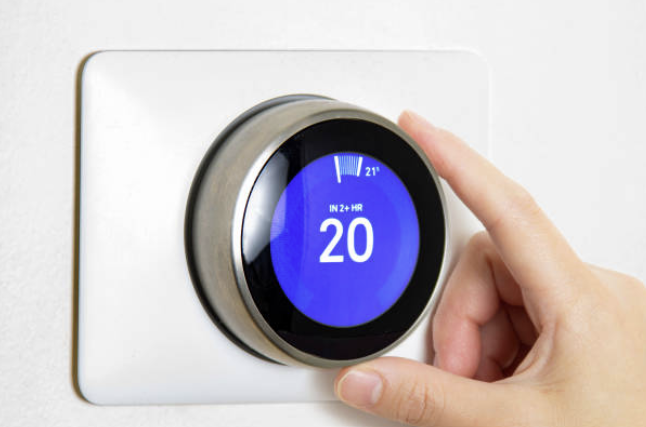
Every degree you raise your AC’s target temperature can meaningfully reduce energy use. A fan running alongside a slightly higher thermostat setting often feels just as comfortable as a lower setting without the fan, since moving air increases the cooling sensation on skin.
Step 3: Run Heat-Generating Appliances at Night
Ovens, dryers, and dishwashers all add heat to your home. Shifting these tasks to early morning or late evening, when it’s naturally cooler, means your AC doesn’t have to work against extra heat you’re generating yourself during the hottest hours.
Step 4: Use Ceiling or Standing Fans Strategically
Fans don’t lower air temperature, but they help your body feel cooler through increased airflow, which means you can raise the thermostat a few degrees and still feel just as comfortable. Turn fans off when you leave a room — they cool people, not empty spaces, so running them in unoccupied rooms just adds electricity cost for no benefit.
Step 5: Seal Air Leaks Around Windows and Doors
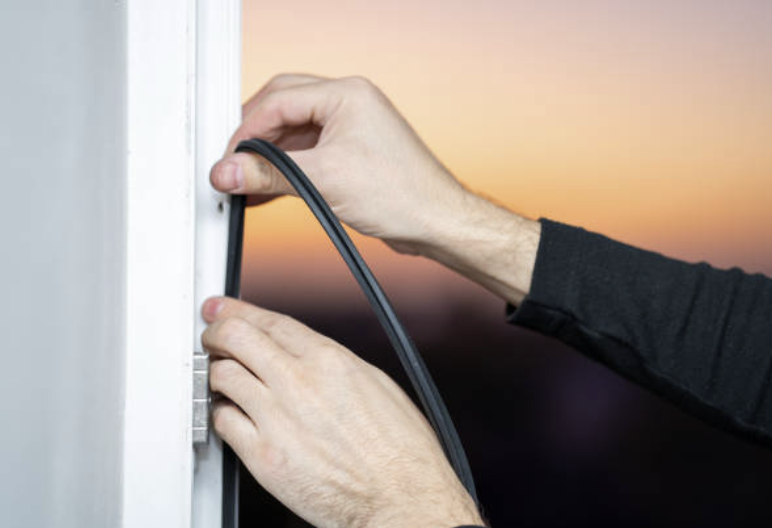
Gaps around windows and doors let cool air escape and hot air in, forcing your system to work continuously to compensate. Weatherstripping and door draft stoppers are inexpensive fixes that pay for themselves quickly during extended heat.
Step 6: Cool the People, Not Just the House
During the most extreme heat, it’s often more efficient to focus cooling effort on the rooms you’re actually using (bedroom at night, living room during the day) rather than trying to keep the entire home at a uniform low temperature around the clock.
What NOT to Do
-. Don’t set the thermostat extremely low hoping the room will cool faster -> most systems cool at the same rate regardless of the target temperature, so this just means more total cooling time and cost
-. Don’t ignore appliance-generated heat -> a few loads of laundry or an oven session can noticeably raise indoor temperature during peak hours
-. Don’t skip basic maintenance like changing AC filters -> a clogged filter makes any cooling system work harder for the same result
-. Don’t open windows during the hottest part of the day hoping for a breeze -> this usually lets in more heat than it removes
Product Recommendation Section
(Recommended: blackout curtains, weatherstripping tape, or a high-velocity standing fan)
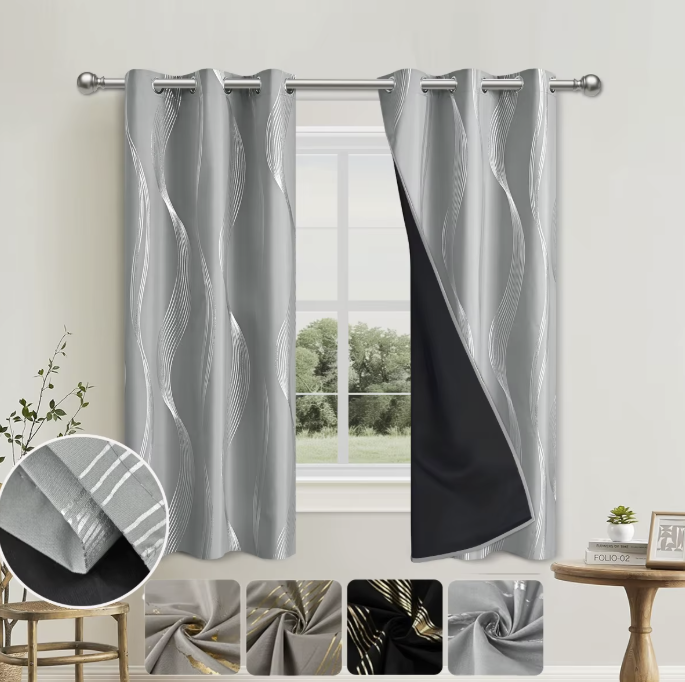
Recommended:** Blackout or thermal curtains on sun-facing windows are one of the most cost-effective upgrades for reducing daytime heat gain before it ever reaches your AC.
FAQ Section
Does closing curtains really make a noticeable difference?
Yes — a significant portion of heat gain in a room comes through windows exposed to direct sun, so blocking that heat before it enters is one of the most effective low-cost strategies available.
Is it cheaper to leave the AC running all day at a moderate setting, or turn it off and cool the house from scratch later?
For most homes, letting the temperature rise significantly while you’re out and then cooling it back down uses less total energy than maintaining a constant low temperature all day, though very well-insulated homes can be an exception.
Do fans actually help with cooling costs?
Yes, indirectly — fans let you comfortably raise your thermostat setting by a few degrees, which reduces how hard your AC has to work, even though fans don’t lower the room’s actual temperature.
What’s the single highest-impact fix for someone on a tight budget?
Blocking direct sun through windows during peak heat hours is usually the highest-impact, lowest-cost strategy available, since it addresses the source of heat gain rather than just compensating for it afterward.