When extreme heat becomes a prolonged, recurring pattern rather than a short-lived event, it doesn’t just affect daily comfort — it also shows up in the performance of certain industries. This article is a general, educational look at which sectors have historically shown sensitivity to sustained heat and why, not a recommendation to buy any specific stock, fund, or company. Understanding the structural reasons behind these patterns is useful on its own, separate from any investment decision.

Why Sustained Heat Affects Certain Industries More Than Others
Extended heat changes consumer and business behavior in fairly predictable ways: energy demand for cooling rises, water usage increases, certain agricultural outputs are stressed, and demand shifts toward specific products and services. These structural effects are why some sectors show up repeatedly in discussions of heat-sensitive industries — not because of speculation, but because of direct operational cause and effect.
Sector 1: Utilities and Energy
Extended heat drives up electricity demand for cooling, which can benefit utility companies and energy producers through higher demand — though this comes with its own risks, including strain on infrastructure, increased outage risk, and regulatory scrutiny over pricing during extreme weather events. Utility companies are also capital-intensive and sensitive to interest rates, which adds a separate layer of complexity beyond just weather patterns.
Sector 2: Cooling and HVAC Equipment
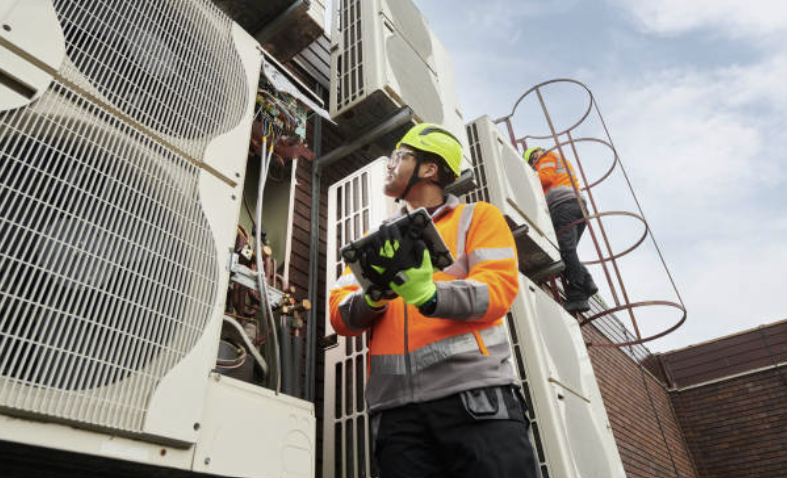
Companies that manufacture air conditioners, fans, portable cooling units, and related equipment often see increased demand during sustained heat periods, particularly in regions newly adopting cooling technology as heatwaves become more frequent. This sector can also be affected by regulatory shifts, such as the ongoing transition in some regions toward lower-emission refrigerants, which changes production costs and requirements industry-wide.
Sector 3: Agriculture and Water Management
Prolonged heat can stress crop yields, particularly for water-intensive crops, and increases demand for irrigation and water management infrastructure. This sector faces significant variability, since outcomes depend heavily on specific regional water availability, crop type, and whether heat is paired with drought conditions.
Sector 4: Insurance and Reinsurance
Extended heat and related extreme weather events can increase claims related to crop damage, infrastructure strain, and health impacts, which affects insurers differently depending on their exposure to affected regions and policy types. This is a sector where prolonged heat is generally treated as a risk factor rather than a demand driver.
Sector 5: Consumer Staples (Beverages, Certain Food Categories)
Demand for items like bottled water, sports drinks, and certain packaged foods often rises during sustained heat, though this tends to be a smaller and more short-term effect compared to structural sectors like utilities or agriculture.
Important Context: Correlation Isn’t Guaranteed Performance
It’s worth being clear about the limits of this kind of sector analysis:
- Historical patterns don’t guarantee future results. A sector that has behaved a certain way during past heat events won’t necessarily repeat that pattern.
- Multiple factors move markets simultaneously. Interest rates, broader economic conditions, and company-specific factors often matter more than a single weather pattern, even a prolonged one.
- Sector-level trends don’t apply evenly to every company within that sector. A utility company in one region can perform very differently from another based on local regulation, infrastructure age, and management decisions.
- Extreme weather also creates real risks, not just opportunities, including infrastructure damage, increased operating costs, and regulatory responses that can offset demand-side benefits.
What NOT to Do
- Don’t treat sector-level historical patterns as a guarantee of future performance
- Don’t concentrate a portfolio heavily in a single sector based on a weather trend, however persistent it seems
- Don’t ignore risk factors (infrastructure strain, regulatory change, claims exposure) just because a sector has demand-side tailwinds
- Don’t make investment decisions based solely on this kind of general overview — this article is educational, not a recommendation
FAQ
Is it a good idea to invest heavily in utility or energy stocks because of ongoing heatwaves? This article can’t answer that for your specific situation — sector-level demand trends are only one of many factors that affect any individual investment, and concentrating heavily in one sector generally increases risk rather than reducing it. A licensed financial advisor can help assess what’s appropriate for your goals and risk tolerance.
Do these sector patterns apply the same way in every country? No — regional regulation, energy infrastructure, water availability, and climate patterns vary significantly, so a sector-level trend observed in one region or market may not apply the same way elsewhere.
Are sector ETFs a common way people get exposure to a broad industry trend like this? Sector-focused funds do exist as a way to gain broad exposure to an industry rather than picking individual companies, but they carry their own risks and fee structures, and whether any specific fund is appropriate depends on individual circumstances — this article doesn’t recommend any specific fund.
How reliable is weather-based sector analysis compared to other investment research? It’s generally considered one input among many, rather than a standalone strategy. Professional analysts typically weigh weather-related demand trends alongside interest rates, company fundamentals, and broader economic conditions.
This article is for general informational and educational purposes only and does not constitute financial or investment advice. Historical sector patterns do not guarantee future performance, and investing involves risk, including potential loss of principal. Please consult a licensed financial advisor for guidance specific to your situation.
Story Recommendation
Too Hot to Work Safely? How to Decide When Workplace Heat Becomes a Hazard (2026 Guide)